
Consult Dr Seng if conservative treatment no longer provides adequare relief for your knee pain.

MBBS (Singapore), MRCS (Edinburgh), MMed (Orth), FRCS (Edinburgh)
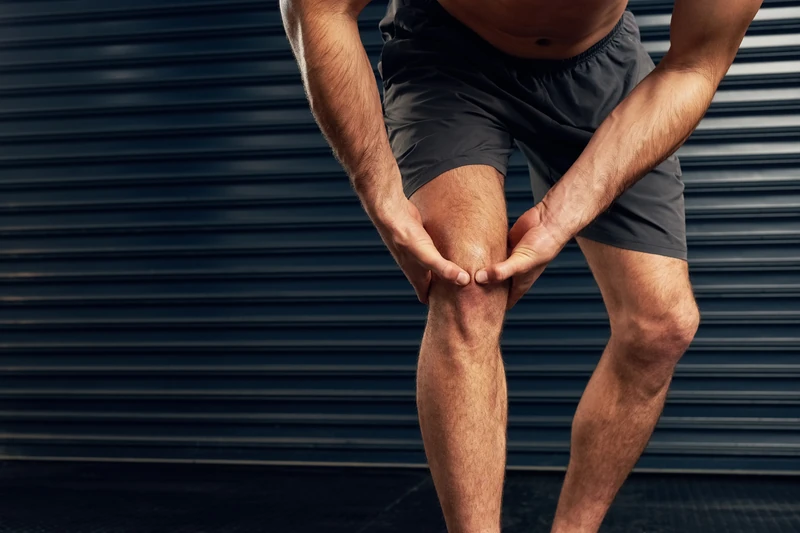
A torn anterior cruciate ligament (ACL) can affect the knee's ability to remain stable during movement, particularly when changing direction or pivoting. However, even a complete ACL tear does not automatically require surgery. Some patients can regain sufficient stability through rehabilitation, depending on how the knee functions after the injury.
ACL reconstruction may be considered when instability persists or when the demands of certain activities make non-surgical management less suitable. Associated injuries within the knee can also influence the recommendation and timing of surgery.
When Might ACL Reconstruction Be Recommended?
The decision to undergo ACL reconstruction depends on how the injury affects knee stability, the patient's activity requirements and whether other structures within the knee have been damaged. A complete ACL tear does not necessarily require surgery, particularly if the knee remains functionally stable during everyday activities.
ACL reconstruction may be recommended in the following circumstances:
- Persistent knee instability: Repeated episodes of the knee giving way, particularly despite structured rehabilitation, may indicate that reconstruction could help restore functional stability.
- Return to pivoting or high-demand activities: Individuals who wish to resume sports involving sudden changes in direction, such as football or badminton, may benefit from reconstruction if the knee cannot reliably support these movements.
- Associated knee injuries: ACL tears accompanied by certain meniscal injuries or damage to other ligaments may require surgical treatment, depending on the nature and extent of the damage.
The extent of the ligament tear is considered alongside these factors. Assessment findings, including physical examination and imaging where appropriate, help determine whether reconstruction is suitable.
Potential Risks of Delaying ACL Surgery
Delaying ACL reconstruction does not necessarily lead to further knee damage. Some patients may benefit from a period of rehabilitation before deciding whether surgery is needed. However, the risks of waiting depend on the knee's stability and whether other structures have been injured.
Potential concerns include:
- Further meniscus or cartilage damage: Repeated episodes of the knee giving way may place additional stress on these structures, increasing the risk of further injury.
- Worsening instability: An ACL-deficient knee may remain unreliable during activities involving sudden changes in direction, particularly if rehabilitation has not restored sufficient functional stability.
- Delayed treatment of associated injuries: Certain meniscal tears or injuries involving other ligaments may require earlier intervention. Postponing appropriate treatment could affect the available options.
The timing of surgery depends on the clinical findings and the patient's functional needs rather than a fixed deadline.
Non-Surgical Treatment for an ACL Tear
Not every ACL tear requires reconstruction. Some patients can regain sufficient knee stability through rehabilitation, particularly if they do not experience recurrent episodes of the knee giving way or need to return to activities involving frequent pivoting.
Non-surgical ACL injury treatment generally involves a structured physiotherapy programme focused on improving muscle strength and knee control. Exercises may be adjusted as movement and stability improve, with a gradual return to suitable activities. A knee brace may also be recommended in selected cases to provide additional support.
The response to rehabilitation helps guide subsequent treatment decisions. If the knee remains unstable despite appropriate rehabilitation, particularly during activities the patient wishes to resume, ACL reconstruction may be reconsidered.
ACL Reconstruction: What the Procedure Involves
ACL reconstruction involves replacing the torn ligament with a tendon graft to restore knee stability. The graft may be taken from the patient's own hamstring, patellar or quadriceps tendon, with the choice depending on factors such as activity requirements and individual clinical considerations.
The procedure is typically performed arthroscopically, using a small camera and surgical instruments inserted through small incisions around the knee. The damaged ligament is replaced with a graft secured within tunnels created in the thigh bone and shin bone. Over time, the graft undergoes biological changes as it becomes incorporated into the knee.
If the ACL tear is accompanied by a meniscal injury, repair or partial removal of the damaged meniscus may be performed during the same operation when appropriate. The treatment approach depends on the location and characteristics of the tear.
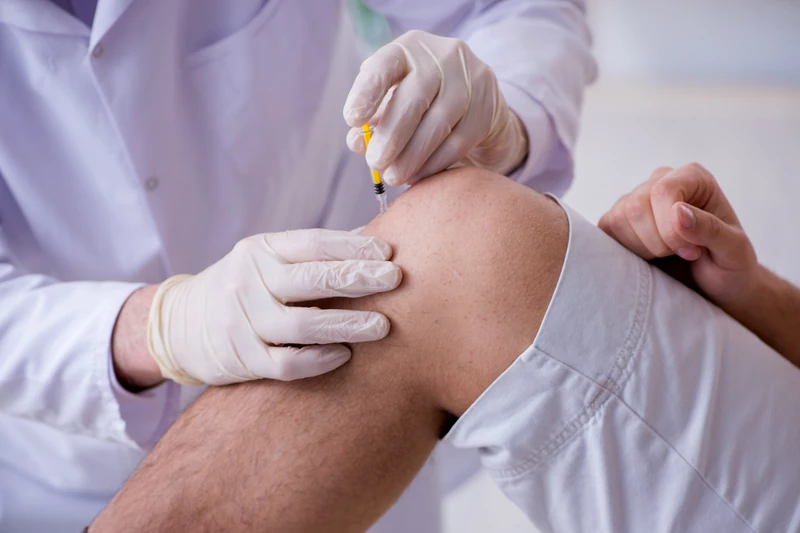
Recovery and Rehabilitation After ACL Reconstruction
Recovery after ACL reconstruction involves a gradual rehabilitation programme to restore knee movement, muscle strength and functional stability. Progress depends on factors such as graft healing, associated injuries and the patient's response to physiotherapy.
Rehabilitation generally involves the following stages:
- Early recovery: The initial weeks focus on managing pain and swelling, restoring knee extension and gradually improving mobility. Crutches or a knee brace may be required, particularly if additional procedures were performed.
- Strengthening and knee control: Progressive exercises help rebuild muscle strength and improve balance as the knee becomes more stable.
- Return to functional activities: Rehabilitation gradually introduces more demanding movements, including running and changes in direction when appropriate, based on strength and functional assessments.
- Return to sport: Returning to pivoting or competitive sports commonly takes around 9–12 months or longer. Clearance depends on functional readiness, knee stability and rehabilitation progress rather than time alone.
Recovery timelines vary, particularly when ACL reconstruction is combined with meniscal repair or treatment of other knee injuries.
Approach Your ACL Treatment Options With Confidence
The decision to undergo ACL reconstruction should account for the stability your knee needs during everyday activities and any sports you intend to resume. Understanding the available treatment options can help you weigh the potential benefits of surgery against the demands of rehabilitation and recovery.
At Axis Knee Pain Clinic, Dr Seng Chusheng provides orthopaedic assessment and treatment for knee conditions, including ACL injuries. A consultation can help determine whether rehabilitation remains suitable or whether reconstruction should be considered based on your knee's stability and activity requirements.
Arrange an appointment to discuss your ACL injury and the available treatment options.
FAQs About ACL Surgery
Should I avoid sports while waiting for ACL surgery?
Activities involving pivoting, jumping or sudden changes in direction may increase the risk of further injury if the knee is unstable. Lower-impact exercises may still be suitable as part of a supervised rehabilitation programme. Activity restrictions should reflect the injury and any associated damage rather than assuming all exercise must stop.
Can a reconstructed ACL tear again?
Yes. An ACL graft can rupture following another injury, particularly during activities involving sudden twisting or changes in direction. Following the prescribed rehabilitation programme and meeting appropriate strength and functional criteria before returning to sport can help reduce the risk, although reinjury cannot be completely prevented.
Are there any risks or complications associated with ACL reconstruction?
ACL reconstruction carries potential risks, including infection, blood clots, knee stiffness and persistent instability. Some patients may also experience discomfort at the graft donor site. The likelihood of complications varies according to individual health factors, the surgical procedure and rehabilitation progress.
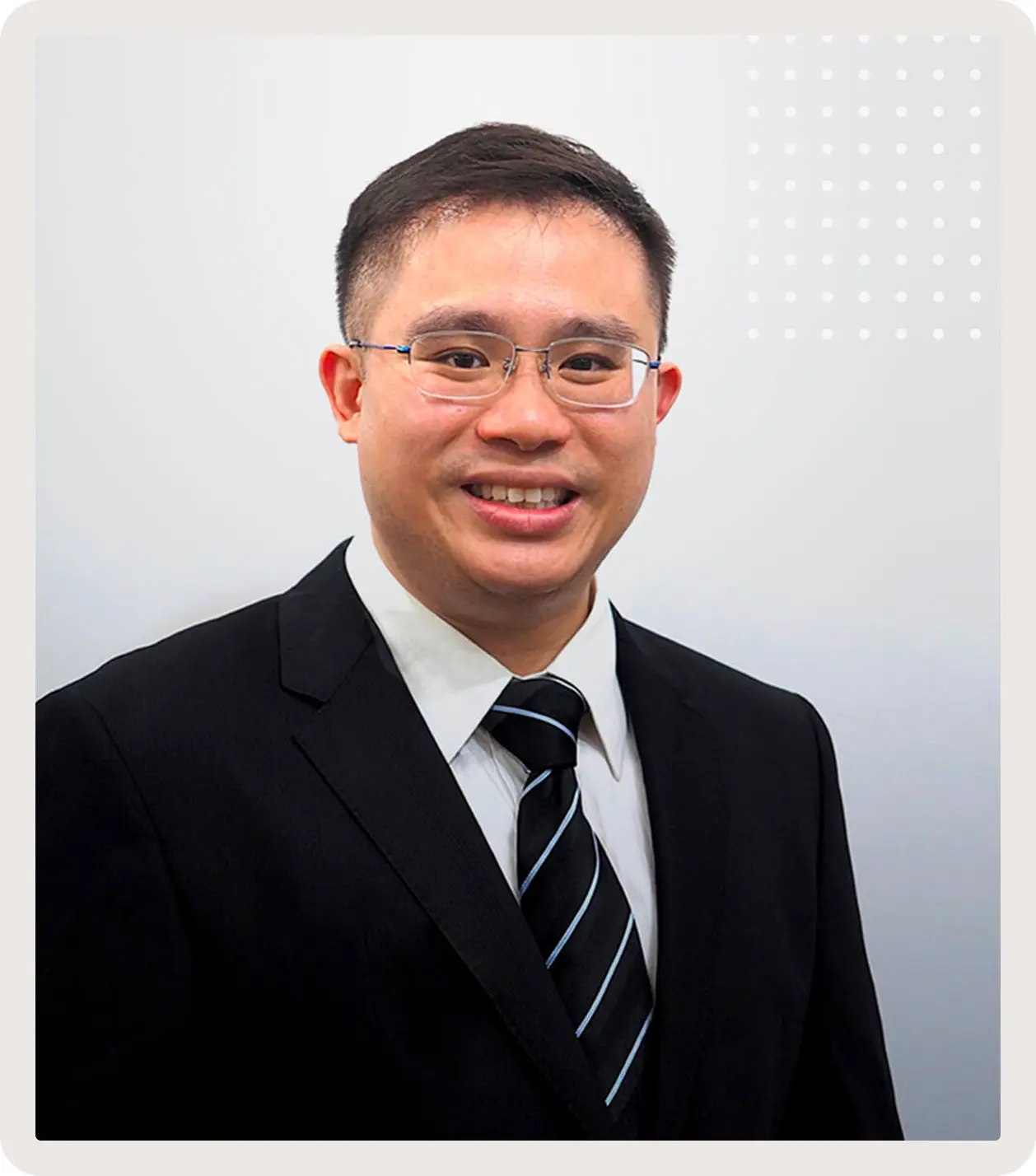
Dr Seng Chusheng
Senior Consultant Orthopaedic Surgeon (Sports & Exercise Medicine)
MBBS (Singapore), MRCS (Edinburgh), MMed (Orth), FRCS (Edinburgh)
Dr Seng Chusheng is an orthopaedic surgeon with a clinical focus on knee conditions, orthopaedic trauma, sports injuries and reconstructive surgery. He obtained his MBBS and MMed (Orthopaedic Surgery) from the National University of Singapore and is a Fellow of the Royal College of Surgeons of Edinburgh (Orthopaedic Surgery).
His practice focuses on the assessment and management of musculoskeletal conditions. Treatment may involve both non-surgical and surgical approaches, with decisions guided by clinical findings and current evidence.
At Axis Knee Pain Clinic, supporting our patients in their recovery and regaining of mobility is our top priority.
We warmly welcome patients with knee conditions from all walks of life to experience our customised treatment. Call us at 9711 8888 for a same-day or next-day consultation!
Contact Info

Mount Elizabeth Novena Medical Centre
38 Irrawaddy Road, #06-33Singapore 329563
Parkway East Medical Centre
319 Joo Chiat Place, #04-08,Singapore 427989
Mount Alvernia
Medical Centre A
820 Thomson Road, #03-08,Singapore 574623

Telephone



Operating Hours
| Mon - Fri | : | 8:30am - 5:30pm |
| Sat | : | 8:30am - 12:30pm |
| Sunday & PH : Closed | ||