
Consult Dr Seng if conservative treatment no longer provides adequare relief for your knee pain.

MBBS (Singapore), MRCS (Edinburgh), MMed (Orth), FRCS (Edinburgh)
Recovering from ACL surgery can feel challenging, particularly for those eager to return to sports or an active lifestyle. While it is natural to want to regain mobility quickly, a successful recovery requires a steady, structured approach to allow the ligament to heal properly.
Whether you have recently undergone the procedure or are currently preparing for it, following specific clinical guidelines is essential. Adhering to these steps helps protect the knee joint, rebuild functional strength, and ensure a safe, sustainable return to your daily routine.
The Dos After ACL Surgery
To support your recovery, your orthopaedic team will likely recommend a combination of consistent care, guided exercises and mindful movement. These essential steps do more than just promote healing—they help you maintain mobility and safely rebuild the strength your knee needs to get you back on your feet.
Follow Your Physiotherapy Programme
Physiotherapy is a fundamental component of ACL recovery, providing the necessary foundation for a safe return to daily activities. Adhering to your prescribed programme is essential for restoring joint strength, stability, and a full range of motion.
A structured rehabilitation plan is designed to progressively rebuild knee function through targeted movements. Maintaining consistency with these exercises helps to prevent joint stiffness, improve neuromuscular control, and significantly reduce the risk of re-injury. Conversely, missing scheduled sessions or performing movements incorrectly may delay the healing process and impact your long-term surgical outcomes.
Control Swelling and Pain
Managing swelling and pain in the early stages of recovery is essential for maintaining your rehabilitation schedule. Keeping these symptoms under control allows you to move with greater comfort and participate more effectively in prescribed exercises.
Applying ice packs, elevating the leg, and using compression are effective methods for reducing swelling during the initial weeks following surgery. It's also important to remember that proactive pain management not only supports a smoother recovery but also helps prevent unnecessary strain on the healing ligament caused by compensatory movements.
Use Support When Needed
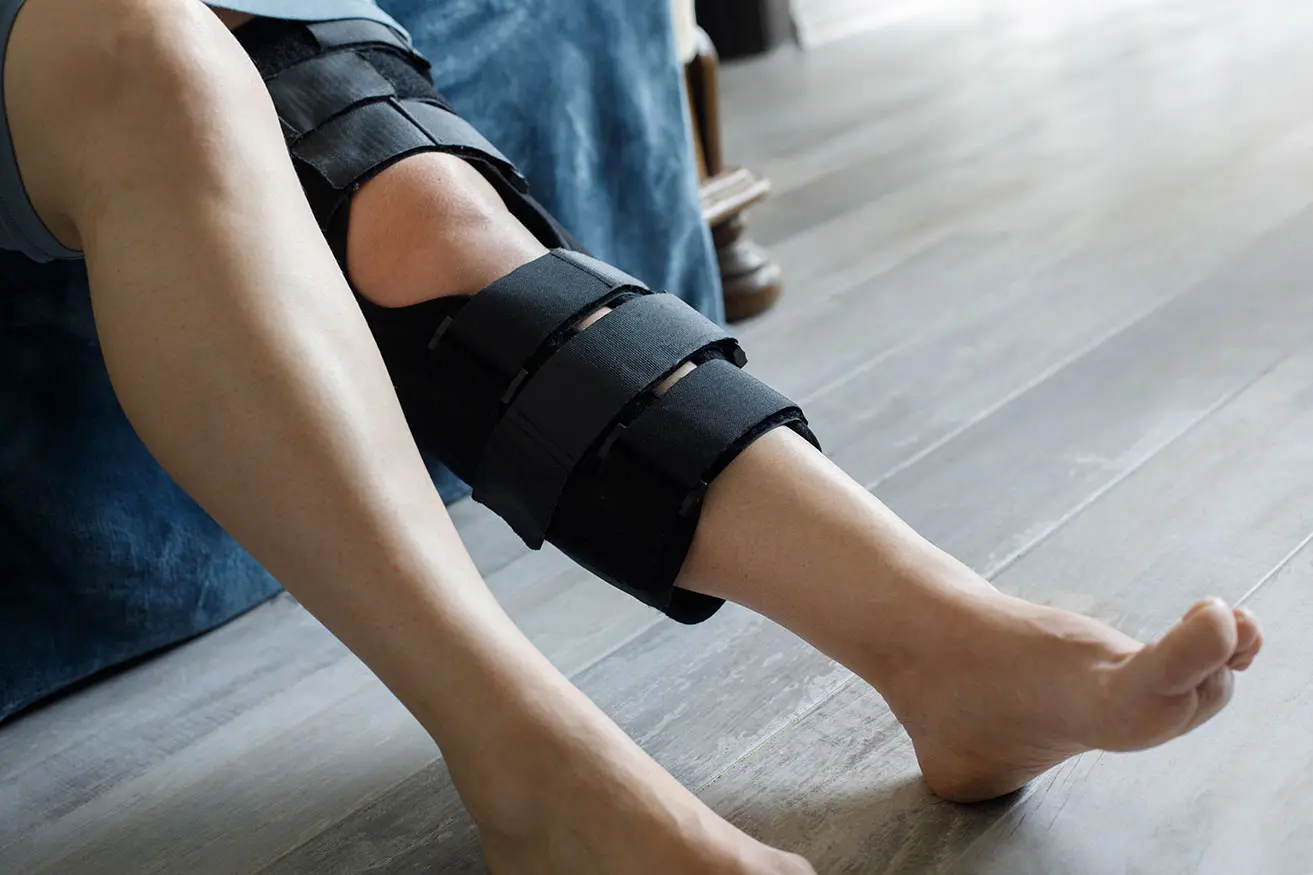
Support devices, such as knee braces or crutches, are often recommended at various stages of ACL recovery to protect the joint during the healing process. Using these aids as advised helps maintain proper mechanical alignment and provides essential stability during early movement.
Removing support prematurely can place undue stress on the healing graft, potentially compromising the surgical repair. Adhering to your specialist's timeline for weaning off these devices ensures that your knee is sufficiently strong and stable before it carries your full body weight.
Keep Moving Safely
Early movement plays a critical role in the recovery process, helping to maintain joint mobility and promote healthy circulation. While adequate rest is necessary immediately following surgery, prolonged inactivity can lead to persistent joint stiffness and muscle atrophy.
Guided exercises, performed under the supervision of your physiotherapist, allow you to move safely without placing excessive strain on the knee. Simple, low-impact activities—such as gentle leg lifts, seated marches, and controlled walking with support—are typically introduced in the early stages to rebuild functional movement patterns.
The Don'ts After ACL Surgery
Avoiding certain activities can help reduce the risk of complications and support proper healing of your knee. Your surgeon may advise the following precautions after your knee treatment to support a safe return to your usual activities:
Avoid Returning to Sports Too Early
Returning to competitive or high-impact sports prematurely significantly increases the risk of re-injury. Even if the knee feels stable or is currently pain-free, the reconstructed ligament and surrounding musculature require a specific physiological timeline to fully heal and regain their former function.
High-impact activities—such as running, jumping, or pivoting—are generally only recommended after your ACL surgeon confirms that the knee has recovered sufficient stability, strength, and neuromuscular coordination. Prematurely stressing the joint before these functional milestones are met can compromise the long-term success of the surgery.
Do Not Ignore Ongoing Pain or Swelling
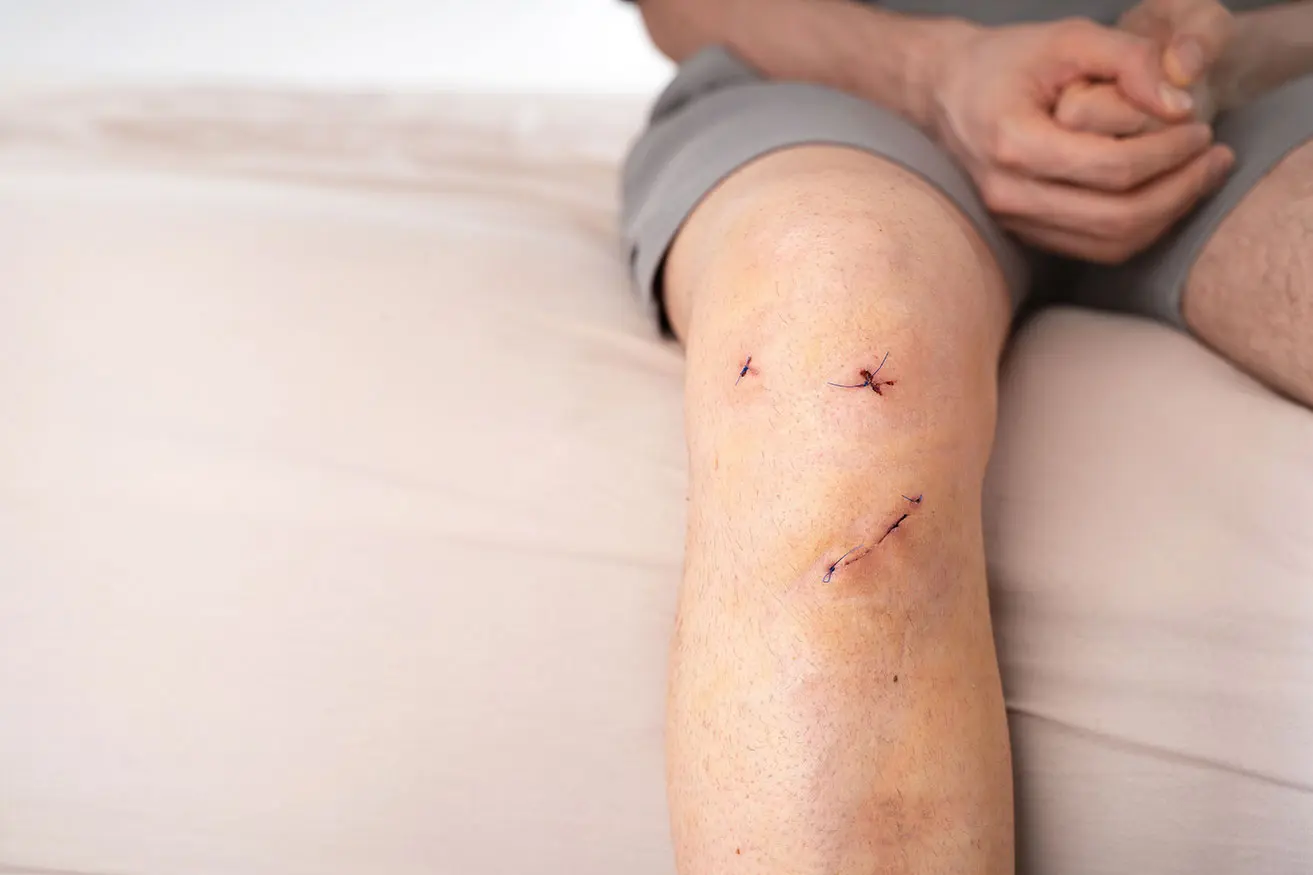
Persistent or worsening pain and swelling can indicate underlying complications, such as infection, graft misalignment, or joint instability. Addressing these symptoms in their early stages is essential for preventing long-term mechanical issues and ensuring the success of the surgical repair. If you observe unusual discomfort, localised redness, warmth, or fluid drainage, it is imperative to contact your ACL specialist immediately for a clinical assessment.
Limit Weight-Bearing in the Early Stages
Applying excessive pressure to the knee prematurely can strain the reconstructed ligament and compromise the healing process. Adhering to a gradual weight-bearing schedule is essential for protecting the joint as it recovers its structural integrity.
Follow your surgeon's specific guidance on using crutches to transition safely toward full weight-bearing. Clinical aids, partial weight-bearing exercises, and controlled stepping techniques are typically recommended until the knee demonstrates sufficient stability to support your body weight.
ACL Recovery Timeline
Recovery after ACL surgery progresses in stages, with each phase focusing on specific goals to support healing and restore knee function. Your timeline may vary, but the following provides a general guide:
Weeks 0 to 2: Early Recovery
Focus is on reducing swelling, managing pain and restoring a gentle range of motion. You may begin simple exercises and use support such as crutches or a brace.
Weeks 2 to 6: Regaining Movement
Gradual weight-bearing is introduced with guidance. Early strengthening exercises and mobility work help improve knee control.
Weeks 6 to 12: Building Strength
Exercises become more progressive, focusing on strength, balance and coordination. Low-impact activities may be introduced if advised.
Months 3 to 6: Functional Recovery
More advanced strengthening and functional exercises are added. Sport-specific movements may begin under supervision, with ongoing assessment of knee stability.
Months 6 to 9: Return to Activity
Return to sports or higher-impact activities is considered only after meeting functional milestones and receiving clearance from your ACL specialist.
It's important to remember that while this serves as a guideline, recovery can vary depending on factors such as age, surgical technique, graft type and consistency with rehabilitation. Staying patient and following your programme closely can support a safer return to your usual activities.
Consult Our ACL Specialist in Singapore
Successfully recovering from an ACL tear requires a disciplined balance of rest, professional physiotherapy, and clinical oversight. By adhering to these essential dos and don'ts, you can protect your surgical graft and rebuild the functional stability necessary for a safe return to sports and daily activities.
At Axis Knee Pain Clinic, our team prioritises evidence-based rehabilitation and personalised care to ensure every patient achieves their mobility goals. Dr Seng Chusheng and his team provide the comprehensive monitoring required to track your healing progress and prevent long-term complications.
If you are experiencing persistent knee instability or are planning for upcoming surgery, contact us today to schedule a consultation.
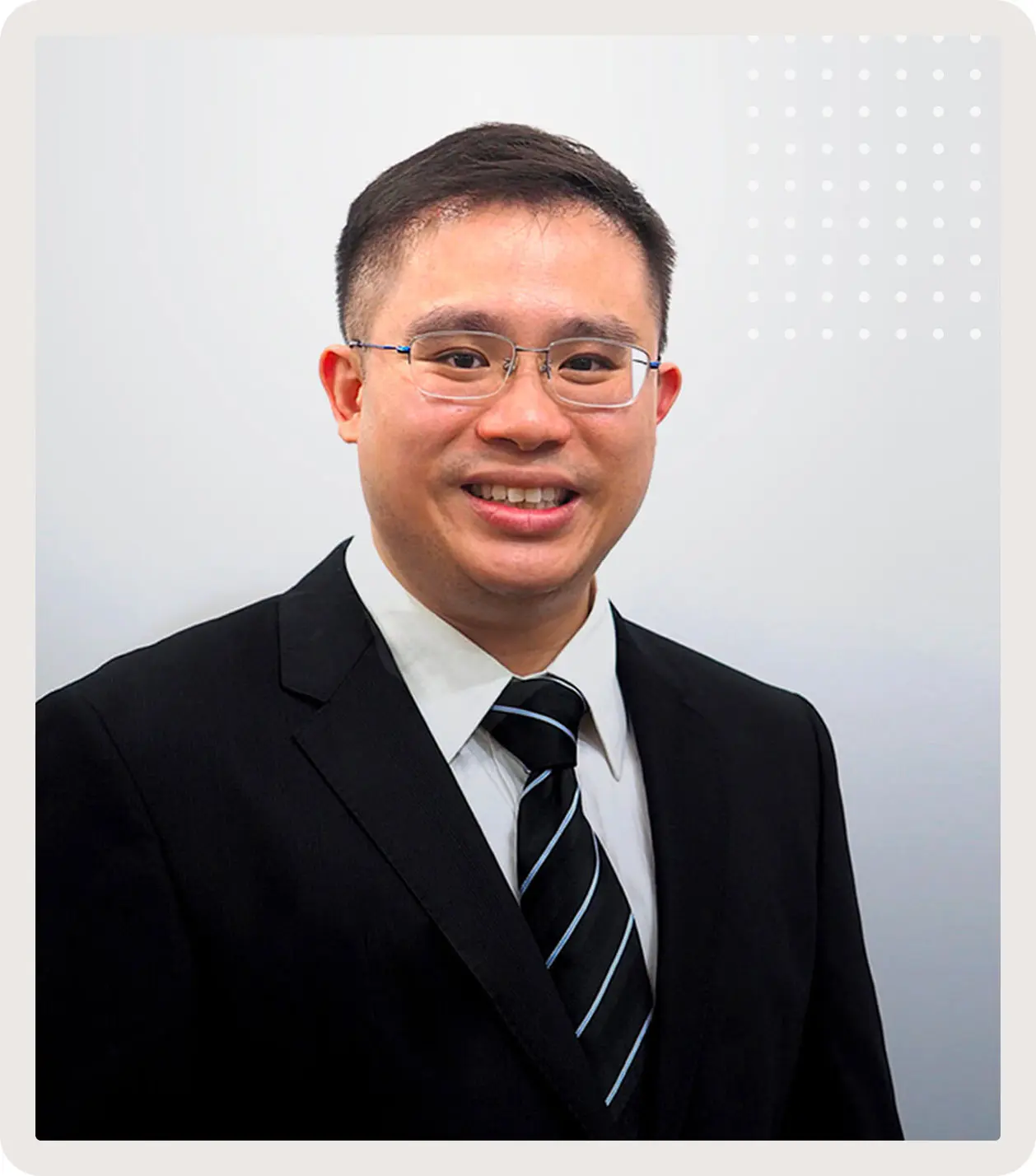
Dr Seng Chusheng
Senior Consultant Orthopaedic Surgeon (Sports & Exercise Medicine)
MBBS (Singapore), MRCS (Edinburgh), MMed (Orth), FRCS (Edinburgh)
Dr Seng Chusheng is an orthopaedic surgeon with a clinical focus on knee conditions, orthopaedic trauma, sports injuries and reconstructive surgery. He obtained his MBBS and MMed (Orthopaedic Surgery) from the National University of Singapore and is a Fellow of the Royal College of Surgeons of Edinburgh (Orthopaedic Surgery).
His practice focuses on the assessment and management of musculoskeletal conditions. Treatment may involve both non-surgical and surgical approaches, with decisions guided by clinical findings and current evidence.
At Axis Knee Pain Clinic, supporting our patients in their recovery and regaining of mobility is our top priority.
We warmly welcome patients with knee conditions from all walks of life to experience our customised treatment. Call us at 9711 8888 for a same-day or next-day consultation!
Contact Info

Mount Elizabeth Novena Medical Centre
38 Irrawaddy Road, #06-33Singapore 329563
Parkway East Medical Centre
319 Joo Chiat Place, #04-08,Singapore 427989
Mount Alvernia
Medical Centre A
820 Thomson Road, #03-08,Singapore 574623

Telephone



Operating Hours
| Mon - Fri | : | 8:30am - 5:30pm |
| Sat | : | 8:30am - 12:30pm |
| Sunday & PH : Closed | ||