
Consult Dr Seng if conservative treatment no longer provides adequare relief for your knee pain.

MBBS (Singapore), MRCS (Edinburgh), MMed (Orth), FRCS (Edinburgh)
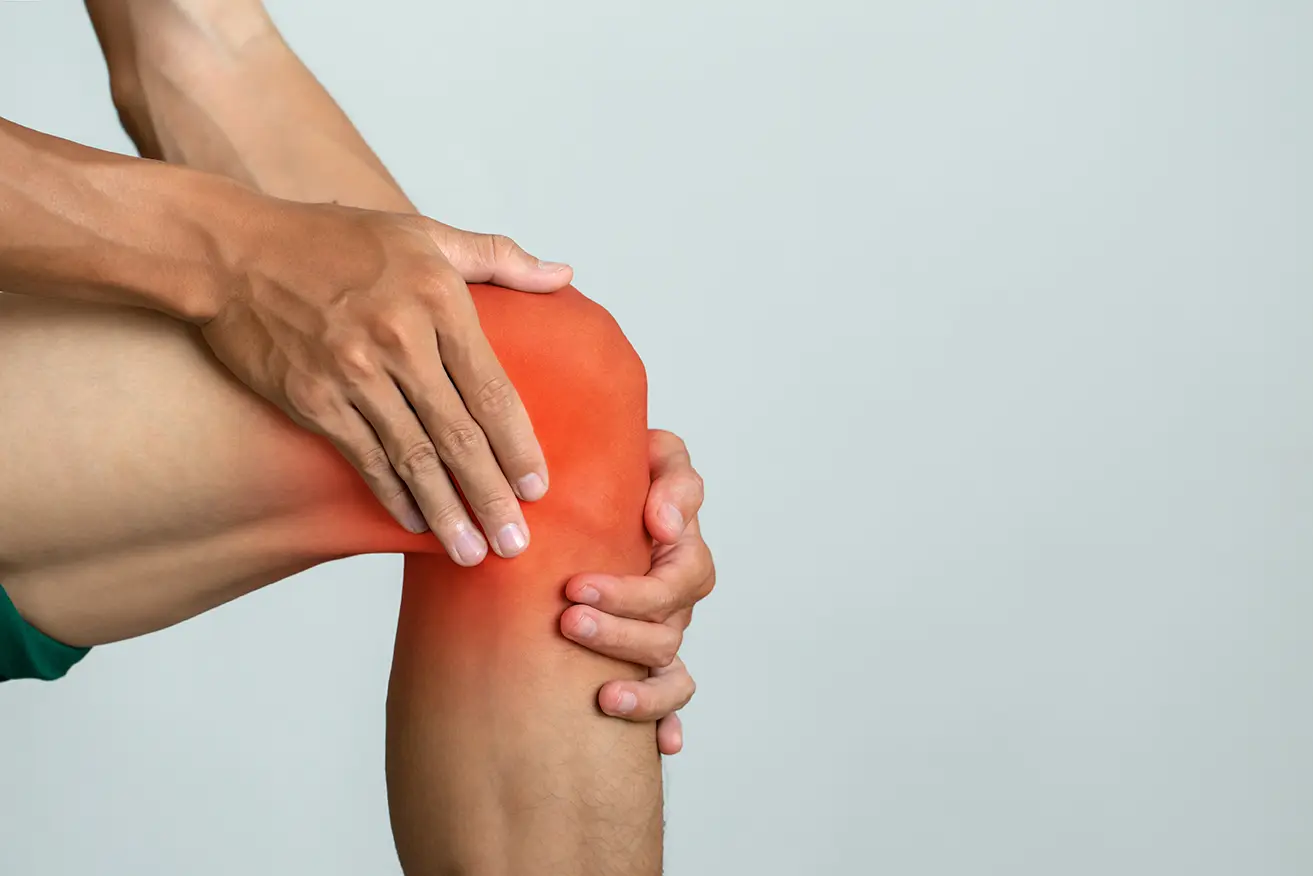
ACL tears are a common injury among athletes, with thousands experiencing this condition every year. After a sudden pivot, awkward landing, rapid change in direction or direct impact to the knee, many athletes experience damage to this crucial ligament.
Many describe feeling a distinct popping sensation, followed by sharp pain, rapid swelling and a feeling of instability in the knee. If you have experienced this injury, seeking a prompt evaluation from a specialist may help put you on the road to a successful recovery, allowing you to resume your daily activities.
What Is an ACL Tear?
An ACL tear occurs when the anterior cruciate ligament (ACL) is stretched or torn.
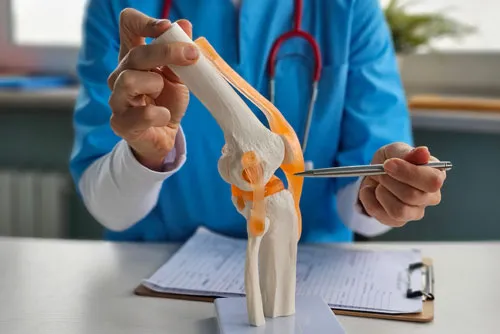
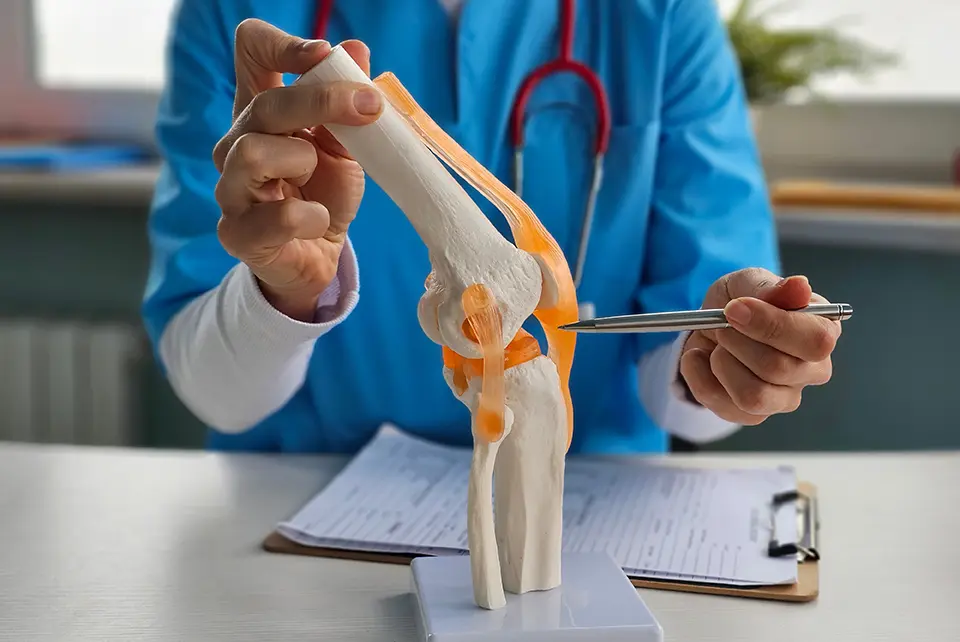
The ACL is one of the key ligaments that help stabilise the knee joint. It connects the thighbone (femur) to the shinbone (tibia) and is crucial for preventing the shinbone from sliding out of place. It also provides rotational stability to the knee.
ACL tears often happen due to abrupt stops, directional changes, direct blows or overextension of the knee joint, especially during contact sports like football or basketball.
Types of ACL Injuries
ACL injuries are classified into three main grades based on the extent of the ligament damage. These are:
- Grade 1 Sprain: The ligament is stretched but remains intact. Although there is minor damage to the fibres, the ACL continues to provide adequate knee stability.
- Grade 2 Partial Tear: In a partial tear, the ligament is only partly torn and has become loose. This can lead to some knee instability, especially during quick movements.
- Grade 3 Complete Tear: The ligament is completely torn into two separate pieces. This is the most severe type of ACL injury, with the knee joint becoming unstable, making it difficult to perform activities that require pivoting or twisting.
Symptoms of an ACL Tear
When an ACL tear occurs, the symptoms are often immediate and distinct. While the severity can vary, some common signs that indicate a potential ACL injury include:
- A popping sound or sensation: Many people report hearing or feeling a loud pop from their knee at the moment of injury.
- Severe pain: Intense pain is a primary symptom, which often begins immediately after the injury. The pain can be severe enough to stop you from continuing any activity and may worsen when you try to put weight on the affected leg.
- Rapid swelling: The knee typically swells within a few hours of the injury. This swelling is caused by bleeding within the knee joint, a condition known as haemarthrosis.
- Feeling of instability: A key symptom is a feeling that the knee is unstable or may give way. This sensation is particularly noticeable during weight-bearing activities or when attempting to pivot or change direction.
- Loss of range of motion: Following the injury, you may find it difficult to bend or fully straighten your knee due to pain and swelling.
- Difficulty walking: The combination of pain, swelling and instability can make it difficult to walk or bear weight on the injured leg, often resulting in a limp.
In partial ACL tears, symptoms may be less pronounced, with milder pain and intermittent instability. Regardless of severity, suspected ACL injuries usually warrant specialist assessment to confirm the degree and guide appropriate management.
How Is an ACL Tear Diagnosed?
In order to diagnose an ACL tear and move forward with establishing a treatment plan, an ACL specialist will typically conduct a thorough evaluation that includes:
Stability Tests
Specialised manual tests are used to assess knee stability during clinical examination. The most commonly performed assessments include the Lachman test and the pivot shift test. These involve carefully moving the knee and leg in specific ways to evaluate whether the shinbone shifts excessively forward, which may indicate an ACL tear.
Imaging Tests
To confirm the diagnosis and assess for associated injuries, such as damage to cartilage, other ligaments or bone, imaging studies are often recommended. Common investigations include:
- Magnetic Resonance Imaging (MRI): MRI provides detailed images of the knee’s soft tissues, allowing accurate assessment of the ACL and helping determine the extent and grade of the ligament tear, as well as any accompanying injuries.
- X-rays: Although X-rays do not visualise ligaments, they are useful for identifying associated fractures or bony abnormalities.
Treatment Options for Torn ACLs
Treatment for an ACL tear depends on the severity of the injury, the patient's activity level and their overall health. A knee specialist will recommend the most suitable approach for your individual needs.
Non-Surgical Treatment
For partial tears or for individuals who have a less active lifestyle, non-surgical treatment may be sufficient. This approach focuses on managing symptoms and strengthening the surrounding muscles to support the knee. Options include:
- Physiotherapy: A structured rehabilitation program is typically advised to strengthen the muscles surrounding the knee, including the hamstrings and quadriceps. Stronger muscles can help compensate for the torn ligament and improve knee stability.
- Knee Bracing: A knee brace can provide external support and stability, especially during activities. It can help prevent the knee from giving way and protect it from further injury during the healing process.
Surgical Treatment
As the ACL may not heal spontaneously due to limited blood flow in the area, a surgical approach is required to restore function. For complete ACL tears or in individuals aiming to return to high-demand sports and activities, ACL reconstruction surgery is often recommended.
ACL reconstruction involves replacing the torn ligament with a tissue graft. This graft may be taken from the patient’s own tissue, such as the patellar tendon or hamstring tendon (autograft), or obtained from a donor (allograft). The procedure is usually performed using minimally invasive arthroscopic techniques, with small incisions and the use of a camera to guide instruments. This approach is associated with reduced soft tissue disruption, smaller scars and a more efficient recovery process.
Seeking Treatment for ACL Tears in Singapore
An ACL tear can significantly affect knee stability, performance and long-term joint health if left unaddressed. Whether your injury is mild or severe, early evaluation allows for an accurate diagnosis and a personalised treatment plan tailored to your activity level and recovery goals.
At Axis Knee Pain Clinic, consultant orthopaedic surgeon Dr Seng Chusheng provides comprehensive assessment and management for ACL injuries, ranging from structured rehabilitation programmes to ACL reconstruction surgery when necessary. Treatment decisions are guided by clinical findings, imaging results and your functional needs.
Contact us today to schedule a detailed knee assessment and take the next step towards improved joint health and mobility.
Frequently Asked Questions
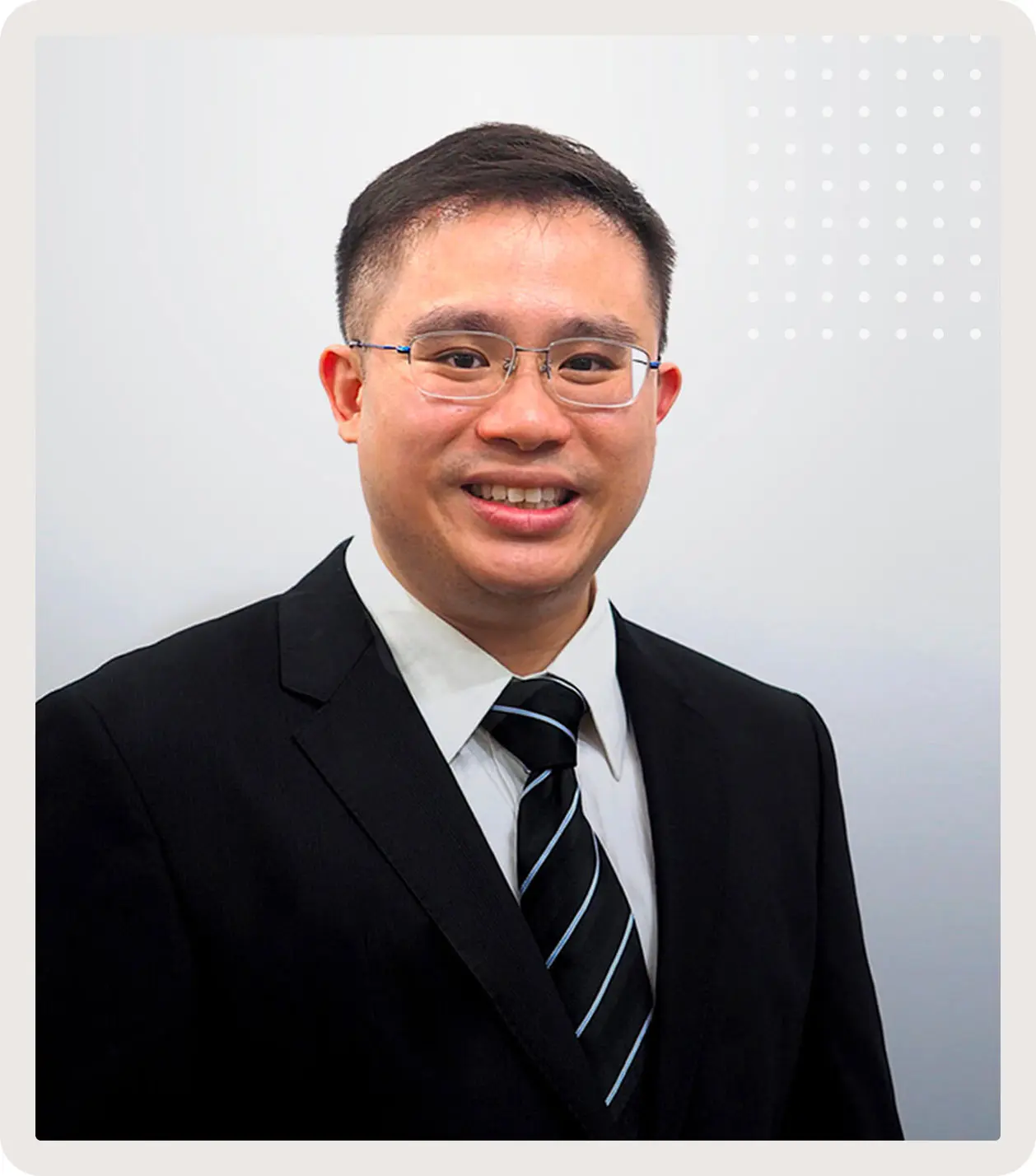
Dr Seng Chusheng
Senior Consultant Orthopaedic Surgeon (Sports & Exercise Medicine)
MBBS (Singapore), MRCS (Edinburgh), MMed (Orth), FRCS (Edinburgh)
Dr Seng Chusheng is an orthopaedic surgeon with a clinical focus on knee conditions, orthopaedic trauma, sports
injuries and reconstructive surgery. He obtained his MBBS and MMed (Orthopaedic Surgery) from the National
University of Singapore and is a Fellow of the Royal College of Surgeons of Edinburgh (Orthopaedic Surgery).
His practice focuses on the assessment and management of musculoskeletal conditions. Treatment may involve both
non-surgical and surgical approaches, with decisions guided by clinical findings and current evidence.
At Axis Knee Pain Clinic, supporting our patients in their recovery and regaining of mobility is our top priority.
We warmly welcome patients with knee conditions from all walks of life to experience our customised treatment. Call us at 9711 8888 for a same-day or next-day consultation!
Contact Info

Mount Elizabeth Novena Medical Centre
38 Irrawaddy Road, #06-33Singapore 329563
Parkway East Medical Centre
319 Joo Chiat Place, #04-08,Singapore 427989
Mount Alvernia
Medical Centre A
820 Thomson Road, #03-08,Singapore 574623

Telephone



Operating Hours
| Mon - Fri | : | 8:30am - 5:30pm |
| Sat | : | 8:30am - 12:30pm |
| Sunday & PH : Closed | ||