
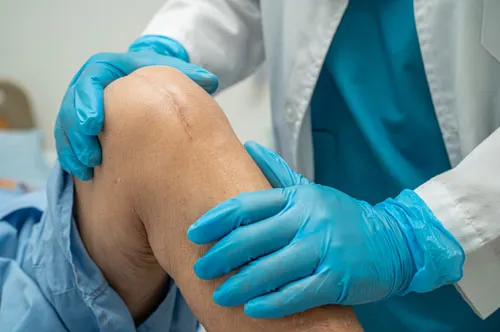
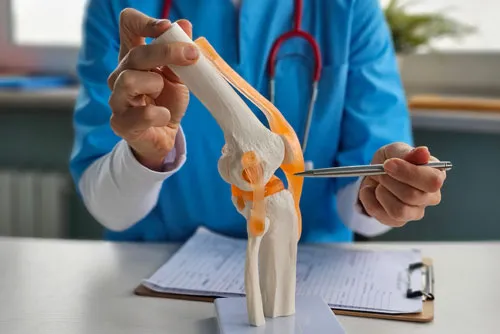
Consult Dr Seng if conservative treatment no longer provides adequare relief for your knee pain.

MBBS (Singapore), MRCS (Edinburgh), MMed (Orth), FRCS (Edinburgh)
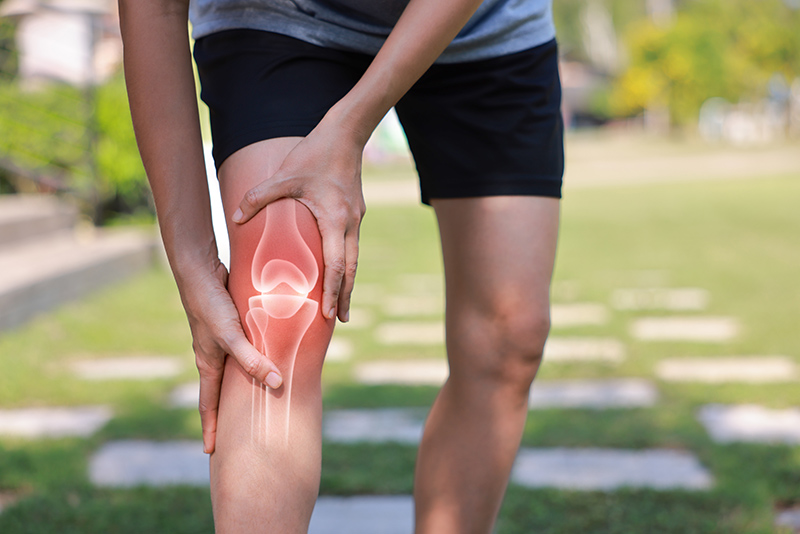
Knee pain can sometimes settle with rest, particularly after a minor strain or a temporary increase in activity. However, pain that lasts for several weeks, keeps returning or begins to interfere with everyday movement may warrant further attention.
Persistent knee pain can have many causes, from an injury that has not fully healed to an underlying joint condition. Understanding the possible cause can help explain why symptoms are persisting and what may be needed next.
Common Causes of Persistent Knee Pain
Persistent knee pain can develop for different reasons, including changes within the joint or an injury that has not fully resolved.
Osteoarthritis and Wear-and-Tear
Knee osteoarthritis develops when the cartilage that cushions the joint gradually wears down. It becomes more common with age, although previous knee injuries and other factors can also contribute to its development.
As the condition progresses, knee pain may become more noticeable during weight-bearing activities such as walking or climbing stairs. Some people also experience stiffness or increasing difficulty moving the knee comfortably.
Ligament and Meniscus Injuries
Ligament and meniscus injuries can occur during sports, falls or movements that suddenly twist the knee. The ACL and MCL help stabilise the knee, while the menisci help distribute load across the joint.
When these structures are injured, pain may persist beyond the initial injury. Depending on the structure affected, the knee may also swell or feel unstable, and some injuries can cause catching or locking during movement.
Tendonitis and Overuse Injuries
Repeated loading of the knee can irritate the tendons surrounding the joint, particularly when activity levels increase suddenly or the same movements are performed frequently.
Conditions such as patellar or quadriceps tendonitis commonly cause pain around the front of the knee that becomes more noticeable during physical activity. Symptoms may persist if the tendon continues to be overloaded without sufficient recovery.
Other Conditions That Can Cause Knee Pain
Not all persistent knee pain results from an injury or wear within the joint. Conditions such as bursitis, gout and rheumatoid arthritis can also affect the knee. Pain originating from the hip or lower back may sometimes be felt around the knee even when the knee itself is not the primary source.
Because these conditions are managed differently, persistent or unexplained knee pain may require further assessment to establish what is causing the symptoms.
Why Should Persistent Knee Pain Not Be Ignored?
Persistent knee pain should not be ignored because, in some cases, it can indicate an injury or joint condition that may benefit from treatment. While not every episode of knee pain will worsen, continuing to place stress on an affected knee can prolong symptoms or make everyday movement more difficult.
Depending on the underlying cause, leaving knee pain unaddressed may result in:
- Persistent or worsening symptoms: An injury that has not healed adequately may continue to cause pain, particularly if the knee is repeatedly exposed to activities that aggravate it.
- Changes in movement: Knee pain can cause you to alter the way you walk or move, which may place additional strain on other areas of the body.
- Reduced activity: Ongoing discomfort may make exercise or everyday movement more difficult, potentially contributing to reduced strength and physical function.
- Progression of the underlying condition: Certain knee conditions can worsen over time if they are not appropriately managed, although this depends on the cause and severity of the problem.
Persistent pain does not necessarily mean that serious joint damage is occurring. However, symptoms that are not improving or are beginning to affect your mobility should not simply be dismissed.
How Is Persistent Knee Pain Treated?
Treatment for persistent knee pain depends on what is causing the symptoms and how much they are affecting your mobility. The appropriate approach can range from symptom management and rehabilitation to surgery for conditions that require structural repair.
Non-Surgical Treatments
Many knee conditions can initially be managed without surgery. Depending on the cause of the pain, treatment may include:
- Physiotherapy or rehabilitation to improve strength and support knee function
- Medication to help manage pain or inflammation where appropriate
- Bracing or other supportive devices when additional stability is needed
- Changes to activities that are repeatedly aggravating the knee
When Might Surgery Be Considered?
Surgery may be considered when symptoms remain significant despite appropriate non-surgical treatment or when an injury has caused structural damage that requires repair.
Depending on the condition, surgical options may include:
- Knee arthroscopy: A minimally invasive procedure that allows the surgeon to examine and treat certain problems within the joint.
- Ligament reconstruction: Used for certain ligament tears where restoring knee stability is necessary.
- Cartilage or meniscus procedures: May be performed to repair or otherwise manage damaged tissue where appropriate.
- Tendon repair: May be required when a tendon around the knee has been severely damaged or torn.
- Fracture fixation: Used when a fracture involving or affecting the knee requires realignment and stabilisation.
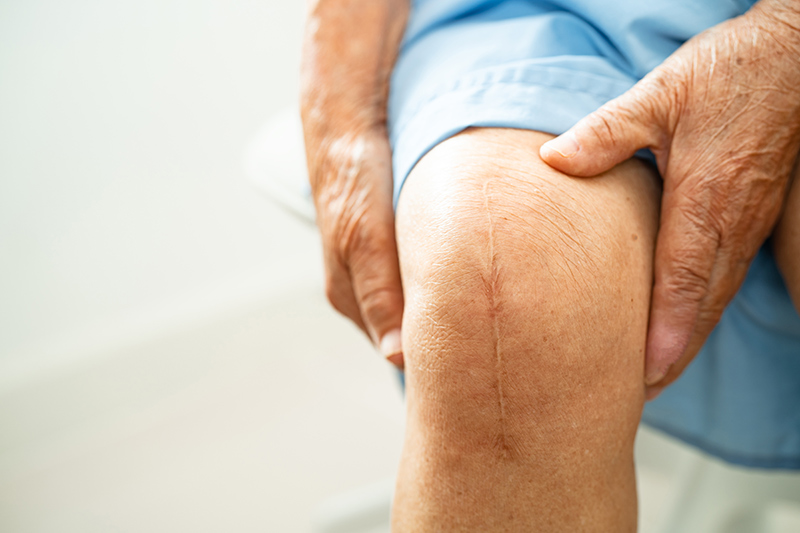
- Partial or total knee replacement: May be considered for advanced joint degeneration when other treatments no longer provide adequate relief.
The appropriate procedure depends on the structures affected and the extent of the problem. Surgery is not determined by the duration or severity of knee pain alone.
Treating the Underlying Cause of Persistent Knee Pain With Dr Seng Chusheng
Persistent knee pain can arise from different structures within the knee, and the treatment that helps one condition may not be appropriate for another. Establishing what is causing the symptoms is therefore an important part of deciding whether the knee simply needs more time to recover or whether targeted treatment may be beneficial.
At Axis Knee Pain Clinic, Dr Seng Chusheng assesses knee pain with consideration of the underlying condition and how it is affecting the patient's movement. Where treatment is needed, the approach may involve non-surgical management or surgery depending on the findings.
If your knee pain has not improved as expected or continues to affect your usual activities, schedule a consultation for further assessment.
FAQs About Persistent Knee Pain
Can knee pain come and go even if there is an underlying problem?
Yes. Some knee conditions cause symptoms that fluctuate depending on activity levels or how much stress is placed on the joint. Pain that settles temporarily but repeatedly returns may still warrant assessment, particularly if the same movements consistently trigger it.
Can knee pain be coming from somewhere other than the knee?
Yes. Pain felt around the knee can sometimes originate from another area, particularly the hip or lower back. This is known as referred pain and is one reason an assessment may extend beyond the knee when the source of persistent symptoms is unclear.
Should I continue exercising if my knee pain keeps returning?
It depends on what is causing the pain and which activities aggravate it. Continuing to exercise through recurring pain may worsen symptoms in some conditions, while appropriate movement can form part of recovery in others. Modifying the activity may be preferable until the cause of persistent symptoms is clearer.

Dr Seng Chusheng
Senior Consultant Orthopaedic Surgeon (Sports & Exercise Medicine)
MBBS (Singapore), MRCS (Edinburgh), MMed (Orth), FRCS (Edinburgh)
Dr Seng Chusheng is an orthopaedic surgeon with a clinical focus on knee conditions, orthopaedic trauma, sports injuries and reconstructive surgery. He obtained his MBBS and MMed (Orthopaedic Surgery) from the National University of Singapore and is a Fellow of the Royal College of Surgeons of Edinburgh (Orthopaedic Surgery).
His practice focuses on the assessment and management of musculoskeletal conditions. Treatment may involve both non-surgical and surgical approaches, with decisions guided by clinical findings and current evidence.
At Axis Knee Pain Clinic, supporting our patients in their recovery and regaining of mobility is our top priority.
We warmly welcome patients with knee conditions from all walks of life to experience our customised treatment. Call us at 9711 8888 for a same-day or next-day consultation!
Contact Info

Mount Elizabeth Novena Medical Centre
38 Irrawaddy Road, #06-33Singapore 329563
Parkway East Medical Centre
319 Joo Chiat Place, #04-08,Singapore 427989
Mount Alvernia
Medical Centre A
820 Thomson Road, #03-08,Singapore 574623

Telephone



Operating Hours
| Mon - Fri | : | 8:30am - 5:30pm |
| Sat | : | 8:30am - 12:30pm |
| Sunday & PH : Closed | ||