
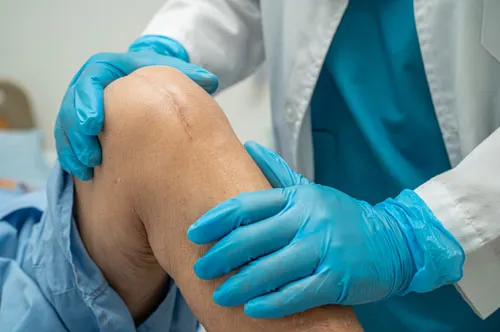
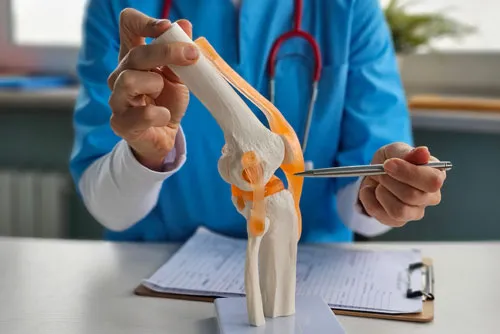
Consult Dr Seng if conservative treatment no longer provides adequare relief for your knee pain.

MBBS (Singapore), MRCS (Edinburgh), MMed (Orth), FRCS (Edinburgh)
Your knees carry you through almost every part of daily life, from walking and climbing stairs to exercising and
standing for long hours. Since your knees bear significant weight and absorb repeated impact, they are also
highly prone to strain, injury and wear over time. The constant demand on the joints can sometimes lead to
degeneration from overuse or trauma.
While occasional soreness may improve with rest, persistent pain, swelling or instability can point to a more
serious underlying issue. Knowing when knee symptoms are no longer a simple, temporary discomfort is key to
preventing further damage and ensuring timely treatment.
5 Signs You Should See a Knee Specialist
Knee pain is common, but not all symptoms should be ignored. Certain signs may indicate an underlying knee condition that should be assessed by a knee specialist to ensure accurate diagnosis and appropriate management.
1. Persistent or Worsening Pain
Pain that persists for more than a few days or continues to worsen despite rest and over-the-counter medication may suggest an underlying knee problem. This can include ligament injuries, cartilage damage or early degenerative changes such as arthritis, which often require medical assessment to confirm the cause and guide treatment.
2. Swelling or Redness
Visible swelling, redness or warmth around the knee joint often points to fluid buildup, inflammation or irritation. If swelling returns after activity or does not subside with rest and applying ice, it could be a sign of more serious problems, such as a fracture, meniscus tear, bursitis or joint infection.
3. Knee Instability
If you feel like your knee is unstable, wobbly or cannot support your weight while walking or standing, you may be suffering from ligament weakness or tearing. Without proper treatment, instability can lead to further joint damage and increase the risk of falls and other injuries.
4. Limited Movement or Stiffness
Difficulty fully bending or straightening your knee, or experiencing significant stiffness, can interfere with your everyday activities. This may be caused by swelling, a torn meniscus fragment getting stuck in the joint or progressive bone damage from arthritis.
5. Noticeable Deformity or Unusual Noises
A knee that appears bent, bowed or visibly misshapen may suggest a fracture, a dislocated kneecap or advanced joint damage. In addition, a loud popping sound at the time of an injury may often be a sign of a meniscal tear or an ACL tear, which often require proper assessment to reduce the risk of further damage.
What Happens During a Knee Specialist Consultation?
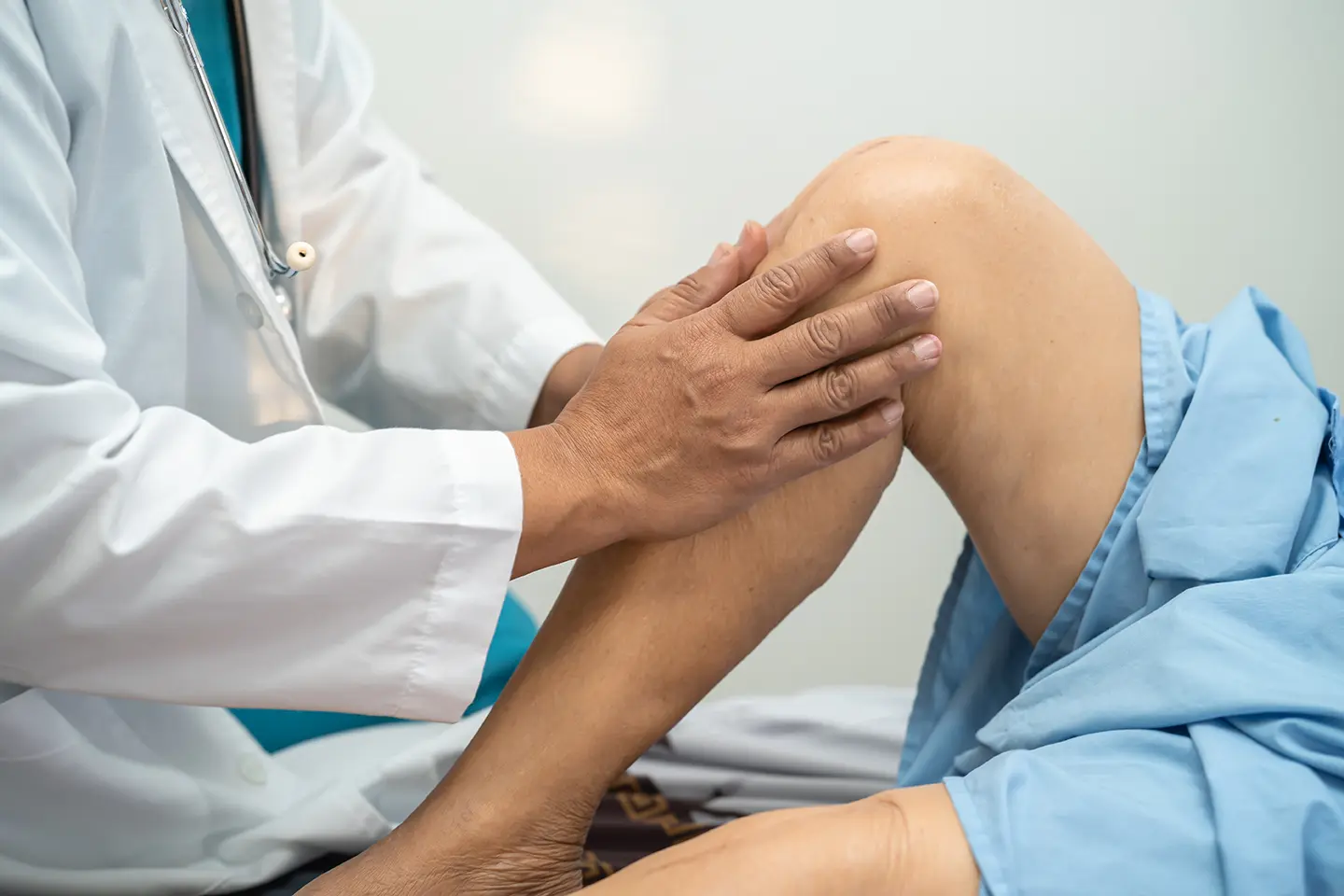
A specialist consultation typically begins with a review of the patient’s medical history, including the onset
and pattern of knee pain and any treatments already tried. This is followed by a physical examination, during
which the specialist assesses knee movement, strength and joint stability.
If further clarification is needed, imaging studies such as X-rays or MRI scans may be recommended. These tests
allow detailed evaluation of the bones, cartilage, ligaments and other soft tissues within the knee joint,
helping to confirm the diagnosis and guide management.
Treatment Options
After diagnosing your condition, the specialist tailors a knee pain treatment plan based on the underlying condition, symptom severity and activity needs. Management usually begins with non-surgical approaches before surgical options are considered.
Non-Surgical Treatment Options
Non-surgical treatments aim to relieve pain, reduce inflammation and improve knee function without the need for an operation.
- Medications: Prescription nonsteroidal anti-inflammatory drugs (NSAIDs) can offer temporary pain relief and reduce swelling.
- Physiotherapy: A structured exercise program can help strengthen leg muscles and restore mobility.
- Bracing: A custom knee brace or other assistive device can provide support and aid in healing.
- Lifestyle Modifications: Weight management or low-impact exercises can lessen stress on the knees.
Surgical Treatment Options
Surgery may be considered when conservative treatments are ineffective or when the injury or joint damage is severe. Surgical options include:
- Ligament Reconstruction: For ACL tears, this procedure replaces the torn ligament with a tissue graft to restore knee stability.
- Cartilage Repair: A specialist can use techniques such as microfracture or cartilage transplantation to stimulate new cartilage growth.
- Knee Replacement (Arthroplasty): For severe, end-stage arthritis, a knee replacement involves replacing damaged joint parts with artificial implants to relieve pain and restore function.
Why Early Specialist Intervention Matters
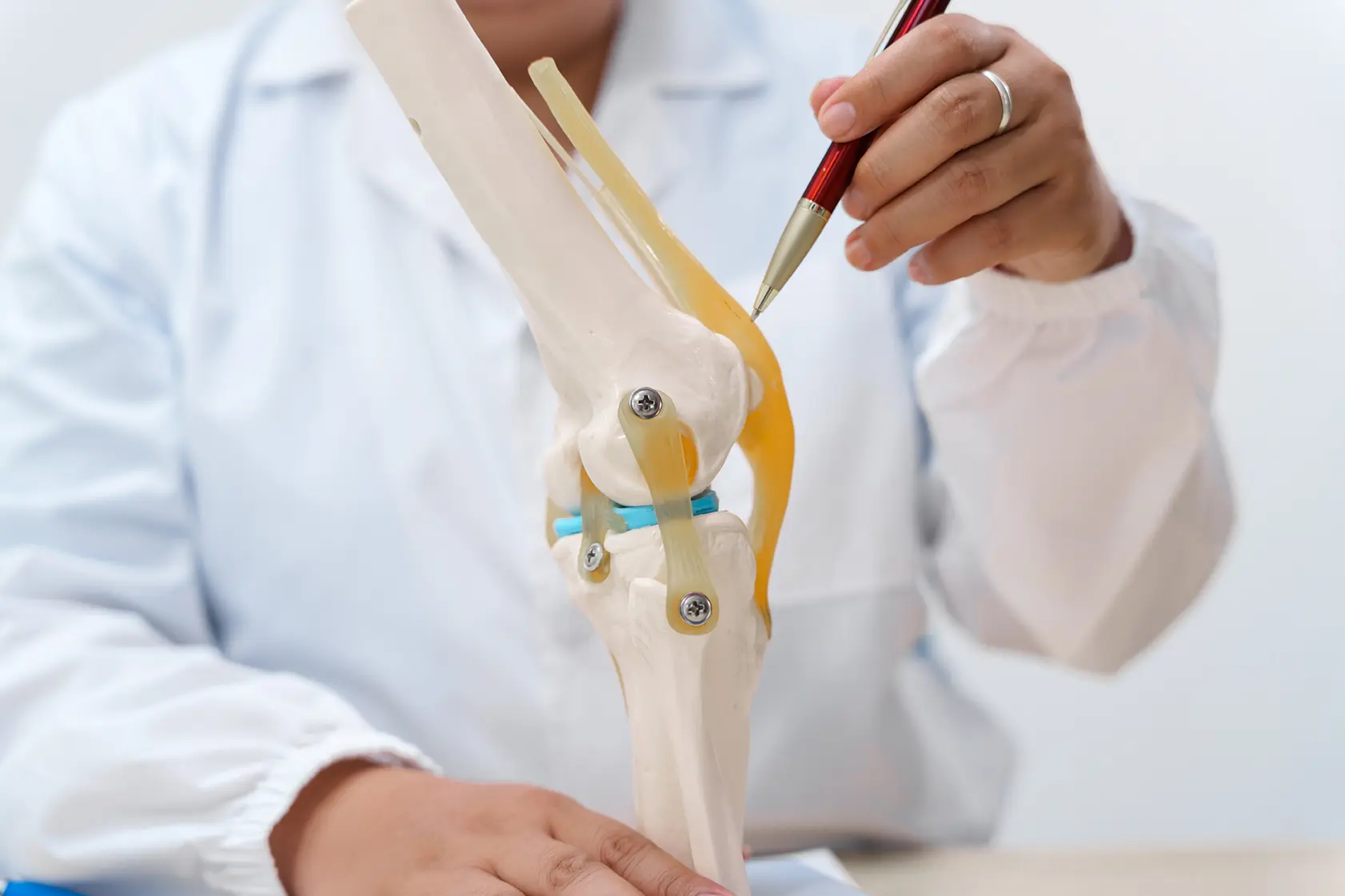
Seeking prompt care from a knee specialist significantly alters the outcome of a knee condition. Early diagnosis and treatment can:
- Prevent Further Joint Damage: Addressing the root cause of your knee pain can stop minor issues from developing into more serious, chronic problems.
- Reduce Pain and Recovery Time: Timely intervention often leads to more effective pain management and a quicker return to your normal activities.
- Improve Long-Term Mobility: Early intervention can help preserve joint function and prevent irreversible damage, ensuring individuals can stay active for years to come.
Paying attention to ongoing knee symptoms and seeking timely medical advice can help protect
long-term joint health. If persistent pain or other concerning signs are present, a knee specialist
in Singapore can assess the condition and recommend appropriate management to support recovery and
mobility.
At Axis Orthopaedic Centre, we provide evidence-based orthopaedic care focused on accurate diagnosis
and targeted treatment. Led by Dr Seng Chusheng, consultant orthopaedic surgeon, our clinic offers
comprehensive knee evaluations and personalised management plans tailored to each individual’s
condition and lifestyle goals.
Contact us today to schedule a detailed knee assessment and take the next step towards improved
joint health and mobility.
Frequently Asked Questions (FAQs) About Knee Pain
Can knee pain go away on its own?
Minor knee pain often resolves with rest, ice and over-the-counter medication. However, if the pain is severe, persistent or accompanied by symptoms like swelling or instability, it is unlikely to go away without medical intervention.
How long does it take to recover from a knee injury?
Recovery time varies widely depending on the type and severity of the injury, the treatment received and individual factors like age and overall health. Minor sprains may heal in a few weeks, while recovery from major surgery like an ACL reconstruction or knee replacement can take several months with rehabilitation.
Are imaging tests like an MRI or X-ray always needed?
A specialist can often make a diagnosis based on a physical examination and your medical history. However, imaging tests are used selectively to confirm a diagnosis when physical tests are inconclusive.
Is surgery always needed to resolve knee pain?
Not all knee conditions require surgery. In many cases, non-surgical knee pain treatment such as medication, physiotherapy or bracing can effectively manage symptoms. Surgery is typically considered when conservative treatments fail to provide relief or when there is significant structural damage, such as a complete ligament tear or advanced arthritis.
About Dr Seng Chusheng
Dr Seng Chuseng is a consultant orthopaedic surgeon at Axis Orthopaedic Centre, specialising in foot and ankle
surgery and knee surgery. He obtained his MBBS and Master of Medicine in Orthopaedic Surgery from the National
University of Singapore and is a Fellow of the Royal College of Surgeons of Edinburgh.
Dr Seng trained at the Assal Centre in Geneva, Switzerland, focusing on complex foot and ankle deformities,
trauma and minimally invasive techniques. Before entering private practice, he served as a consultant
orthopaedic surgeon at Singapore General Hospital and continues as a visiting consultant there. His dedication
to patient care earned him the SingHealth Service With A Heart Award.
An active contributor to orthopaedic research, Dr Seng has published in peer-reviewed journals and was awarded
the Japanese Orthopaedic Association Travelling Fellowship.
At Axis Knee Pain Clinic, supporting our patients in their recovery and regaining of mobility is our top priority.
We warmly welcome patients with knee conditions from all walks of life to experience our customised treatment. Call us at 9711 8888 for a same-day or next-day consultation!
Contact Info

Mount Elizabeth Novena Medical Centre
38 Irrawaddy Road, #06-33Singapore 329563
Parkway East Medical Centre
319 Joo Chiat Place, #04-08,Singapore 427989
Mount Alvernia
Medical Centre A
820 Thomson Road, #03-08,Singapore 574623

Telephone



Operating Hours
| Mon - Fri | : | 8:30am - 5:30pm |
| Sat | : | 8:30am - 12:30pm |
| Sunday & PH : Closed | ||