
Consult Dr Seng if conservative treatment no longer provides adequare relief for your knee pain.

MBBS (Singapore), MRCS (Edinburgh), MMed (Orth), FRCS (Edinburgh)
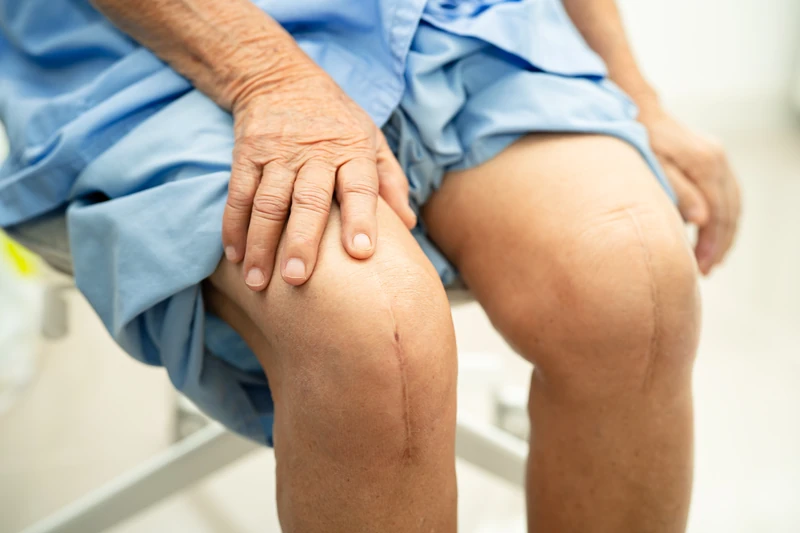
One person describes a quick recovery, while another says they struggled for months. Someone else insists you should wait until you can barely walk. When you are considering surgery for a painful knee, these conflicting accounts can make it difficult to know what to expect.
Individual experiences can offer perspective, but they do not determine what is appropriate for you. Your symptoms, joint condition and overall health all matter. Examining these five common myths can help you separate general assumptions from the factors that guide treatment decisions.
Myth 1: Knee Replacement Is Only for the Elderly
Age alone does not determine whether knee replacement surgery is appropriate. The assessment considers how much pain and stiffness affect daily life, the extent of joint damage, overall health and whether previous treatments have helped.
Some people in their 40s or 50s develop substantial joint damage from arthritis or an earlier injury. Surgery may be considered if symptoms remain troublesome despite appropriate non-surgical care. For younger patients, an important consideration is that the implant may need to be replaced later in life.
Older age does not automatically mean an operation is necessary either. Some older adults continue to manage their symptoms without surgery. The decision involves weighing the likely benefits and risks against the individual's needs and preferences.
Myth 2: Surgery Is Extremely Painful, and Recovery Is Slow
Pain and swelling are expected after the operation, particularly in the early stages. However, pain-relieving medicines and anaesthetic techniques can help manage discomfort so patients can participate in rehabilitation.
Many patients begin standing or walking with assistance on the day of surgery or within 24 hours, depending on their knee condition and the treating team's advice. This early movement is part of recovery, rather than a sign that the knee has fully healed.
Returning to daily activities happens gradually. Some tasks become manageable within weeks, while fuller recovery can take several months or longer. Progress depends on factors such as pre-operative strength, overall health, the type of operation and any complications.
A rehabilitation programme provides guidance on rebuilding strength and movement. Recovery should follow individual progress rather than someone else's timeline.
Myth 3: Artificial Knees Don't Last Long
Many implants last 15 to 20 years or more, although there is no fixed lifespan that applies to everyone. Activity levels, body weight, implant positioning and complications can all affect how long a replacement lasts.
Some patients need revision surgery because of wear, loosening, infection or other problems. Younger patients may be more likely to need another operation during their lifetime because the implant must function for longer.
Following advice on suitable activities and attending recommended follow-up appointments supports ongoing care. New or worsening pain, swelling or instability should be assessed rather than assumed to be normal wear.
Myth 4: Surgery Means I Can't Be Active Again
Giving up exercise is not usually the goal. For many patients, reducing pain and improving function makes it easier to return to activities they previously found difficult.
Low-impact activities such as walking, cycling, swimming and golf can often be resumed gradually after rehabilitation. The timing depends on recovery and the treating team's advice. Swimming, for example, should wait until the wound has healed sufficiently.
High-impact activities such as running and jumping are generally discouraged after a total replacement because they place greater stress on the implant. Your surgeon or physiotherapist can help you choose activities that suit your recovery, fitness and joint health.
Myth 5: You Must Wait Until the Pain Is Unbearable
You do not need to wait until you can barely walk before discussing your options. Persistent symptoms that substantially affect sleep, mobility or everyday activities can justify an assessment, even if you are still able to manage some tasks.
Surgery is usually considered when appropriate non-surgical treatments no longer provide adequate relief or are unsuitable. These may include physiotherapy, medication, weight management where appropriate and selected joint injections. You do not necessarily need to try every available knee treatment.
Once an operation is considered appropriate, trying further treatments solely to postpone it may not be necessary. However, some patients may need time to address health factors that affect surgical risk.
The decision should take account of your symptoms, joint damage, overall health and preferences, rather than a requirement to reach a particular level of pain.
Making an Informed Decision About Knee Replacement
Correcting these myths does not mean surgery is the right choice for everyone. It helps create a more useful discussion about what treatment could achieve, what recovery involves and which risks matter in your circumstances.
The aim is to reduce pain and improve function, but results vary. Risks include infection, blood clots, stiffness and persistent pain, and some patients may need further surgery. Before deciding, ask about the expected benefits, rehabilitation needs and practical support you may require at home.
At Axis Knee Pain Clinic, Senior Consultant Orthopaedic Surgeon Dr Seng Chusheng assesses knee conditions and discusses treatment options according to each patient's symptoms, joint health and needs. Book a consultation to have your knee pain assessed and discuss the next steps in your care.
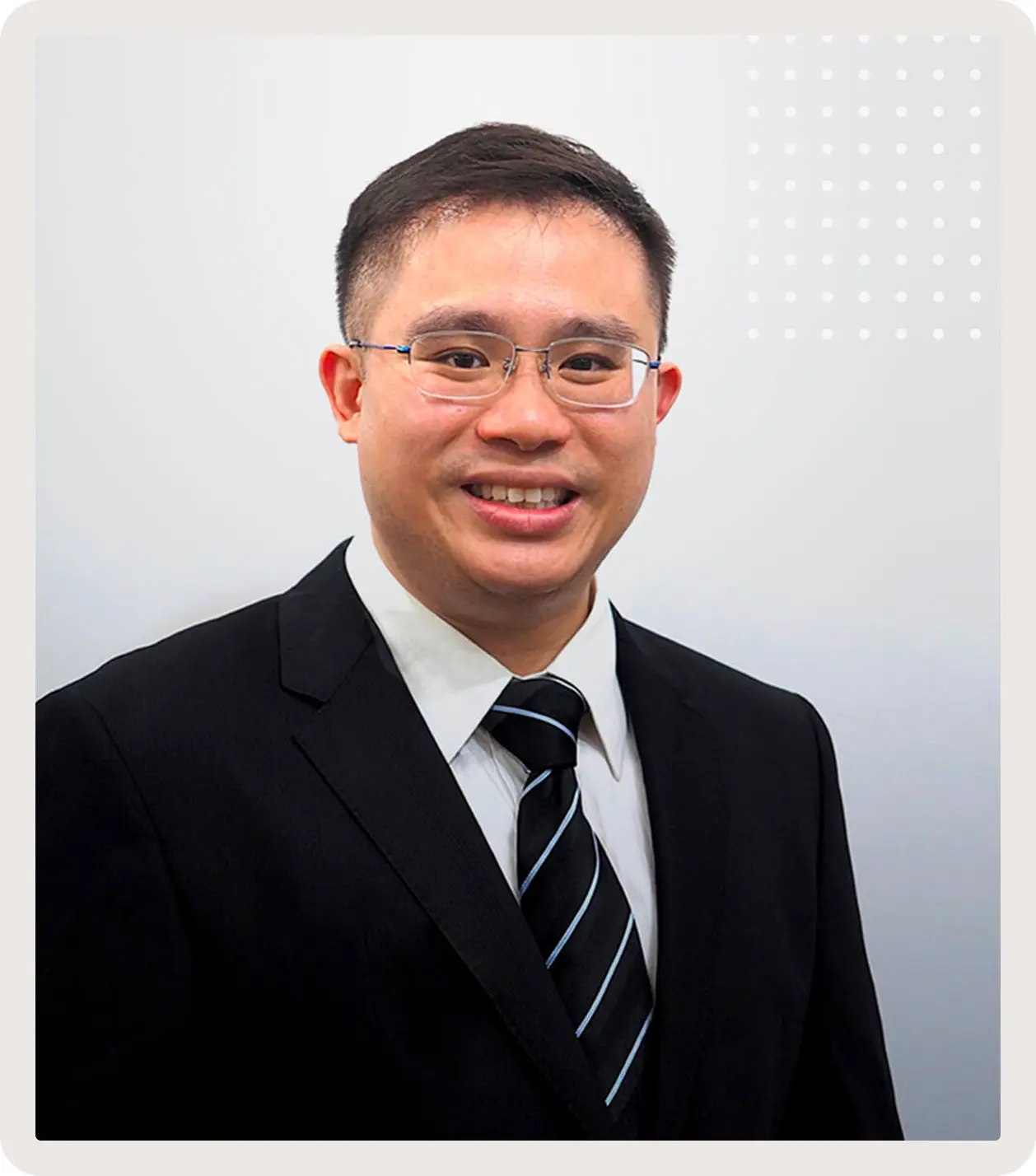
Dr Seng Chusheng
Senior Consultant Orthopaedic Surgeon (Sports & Exercise Medicine)
MBBS (Singapore), MRCS (Edinburgh), MMed (Orth), FRCS (Edinburgh)
Dr Seng Chusheng is an orthopaedic surgeon with a clinical focus on knee conditions, orthopaedic trauma, sports injuries and reconstructive surgery. He obtained his MBBS and MMed (Orthopaedic Surgery) from the National University of Singapore and is a Fellow of the Royal College of Surgeons of Edinburgh (Orthopaedic Surgery).
His practice focuses on the assessment and management of musculoskeletal conditions. Treatment may involve both non-surgical and surgical approaches, with decisions guided by clinical findings and current evidence.
At Axis Knee Pain Clinic, supporting our patients in their recovery and regaining of mobility is our top priority.
We warmly welcome patients with knee conditions from all walks of life to experience our customised treatment. Call us at 9711 8888 for a same-day or next-day consultation!
Contact Info

Mount Elizabeth Novena Medical Centre
38 Irrawaddy Road, #06-33Singapore 329563
Parkway East Medical Centre
319 Joo Chiat Place, #04-08,Singapore 427989
Mount Alvernia
Medical Centre A
820 Thomson Road, #03-08,Singapore 574623

Telephone



Operating Hours
| Mon - Fri | : | 8:30am - 5:30pm |
| Sat | : | 8:30am - 12:30pm |
| Sunday & PH : Closed | ||