
Consult Dr Seng if conservative treatment no longer provides adequare relief for your knee pain.

MBBS (Singapore), MRCS (Edinburgh), MMed (Orth), FRCS (Edinburgh)
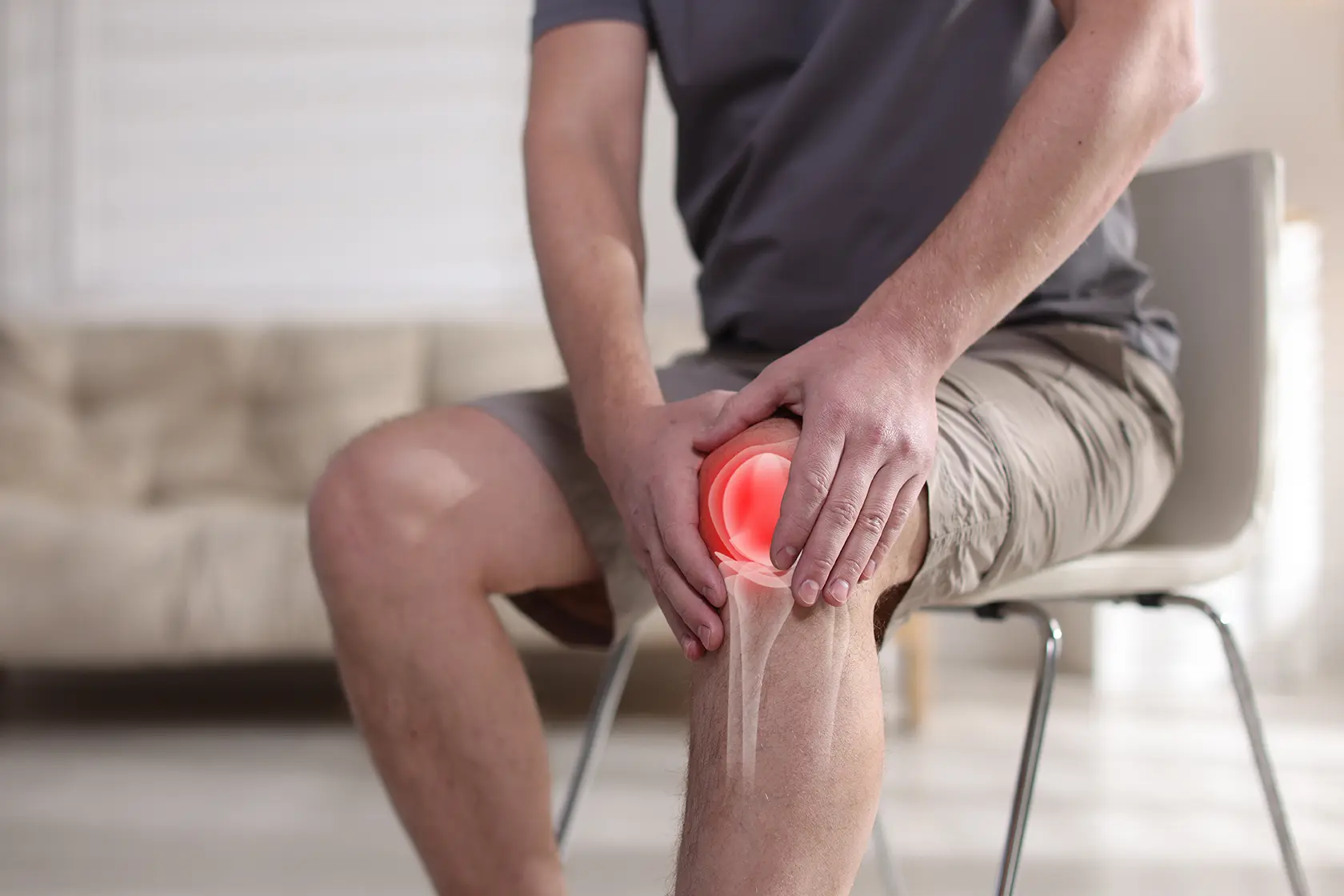
As a complex, weight-bearing joint, the knee is under constant and substantial stress in daily life. This makes it vulnerable to a range of injuries and conditions as it works to bear your weight throughout your everyday activities.
Knee pain is therefore a common complaint across all age groups, affecting both active younger individuals and older adults. In severe cases, this pain can interfere with daily activities and overall quality of life.
Common Causes of Knee Pain
Pain can be caused by numerous knee conditions that originate from various structures within and around the
joint, including bones, cartilage, ligaments and tendons. Pain can range from sharp pangs caused by an acute
injury to a persistent dull ache caused by a chronic condition.
Below are some common culprits behind knee pain:
Osteoarthritis
Osteoarthritis is the most common form of arthritis affecting the knee. It is a degenerative, wear-and-tear condition where the protective cartilage that cushions the ends of the bones gradually wears away over time. This can lead to bones rubbing against each other, causing stiffness, swelling and reduced flexibility.
Ligament Injuries
Sudden twisting movements, direct blows or awkward landings can stretch or tear knee ligaments, the strong bands of tissue that stabilise the joint. The most common ligament injuries involve the anterior cruciate ligament (ACL) and posterior cruciate ligament (PCL). These injuries frequently occur during sports that require rapid stops, pivots or changes in direction, such as football or basketball.
Meniscus Tears
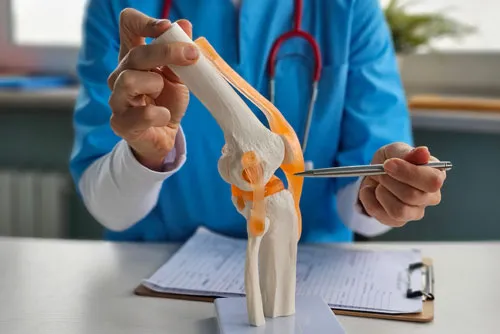
The meniscus is a C-shaped cartilage pad that acts as a shock absorber between the shinbone and thighbone. A forceful twist or rotation of the knee, especially when putting your full weight on it, can lead to a meniscus tear. This can cause catching sensations, locking of the knee and localised pain.
Tendonitis and Bursitis
Repetitive stress from activities such as running or jumping can inflame the knee’s tendons, a condition known as tendonitis, most commonly affecting the patellar tendon in jumper’s knee. Ongoing strain can also irritate the small, fluid-filled sacs (bursae) that cushion the joint, leading to bursitis.
Patellofemoral Pain Syndrome
Often referred to as runner's knee, this condition causes pain around and behind the kneecap (patella). It is common in individuals who are active in sports that involve running and jumping. The pain is often caused by overuse or misalignment of the kneecap, which puts stress on the cartilage underneath it.
Other Degenerative and Underlying Conditions
Several conditions can contribute to chronic knee pain, including rheumatoid arthritis, gout, traumatic fractures and pain referred from other areas such as the hip or lower back. Excess body weight can also place additional stress on the knee joints, increasing the risk of ongoing discomfort.
When Should I Seek Medical Advice for Knee Pain?
While minor knee pain might be resolvable with rest and self-care, there are other symptoms that warrant a visit to a specialist. Having an early and accurate diagnosis helps to ensure that treatment targets the root cause of knee pain rather than just alleviating symptoms.
You should seek medical attention if you experience any of the accompanying symptoms:
- Persistent and stabbing pain, swelling and stiffness
- An inability to bear weight on the affected leg
- Instability or a feeling of the knee ‘giving way’
- Audible noises during movement, like a popping or crunching sensation
- A visible deformity in your leg or knee
- Signs of infection, such as redness and warmth around the joint, or a fever that accompanies these symptoms
How Do Knee Specialists Diagnose and Treat Knee Pain?
A knee specialist typically begins a consultation by thoroughly evaluating the symptoms of knee pain, with the goal of identifying the required treatment and coming up with a personalised plan that targets the cause at the root.
Diagnosis
Diagnosing knee pain usually begins with a detailed clinical evaluation focused on identifying the source of symptoms and assessing joint function. A knee specialist will first attempt to understand how the pain started, whether it followed trauma and how it affects daily activities.
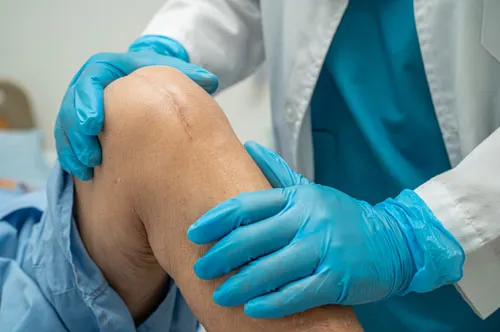
During the physical examination, the knee is assessed for swelling, warmth, tenderness and visible deformity. Common tests are conducted to determine the leg’s range of motion, as well as assess ligament and soft tissue integrity.
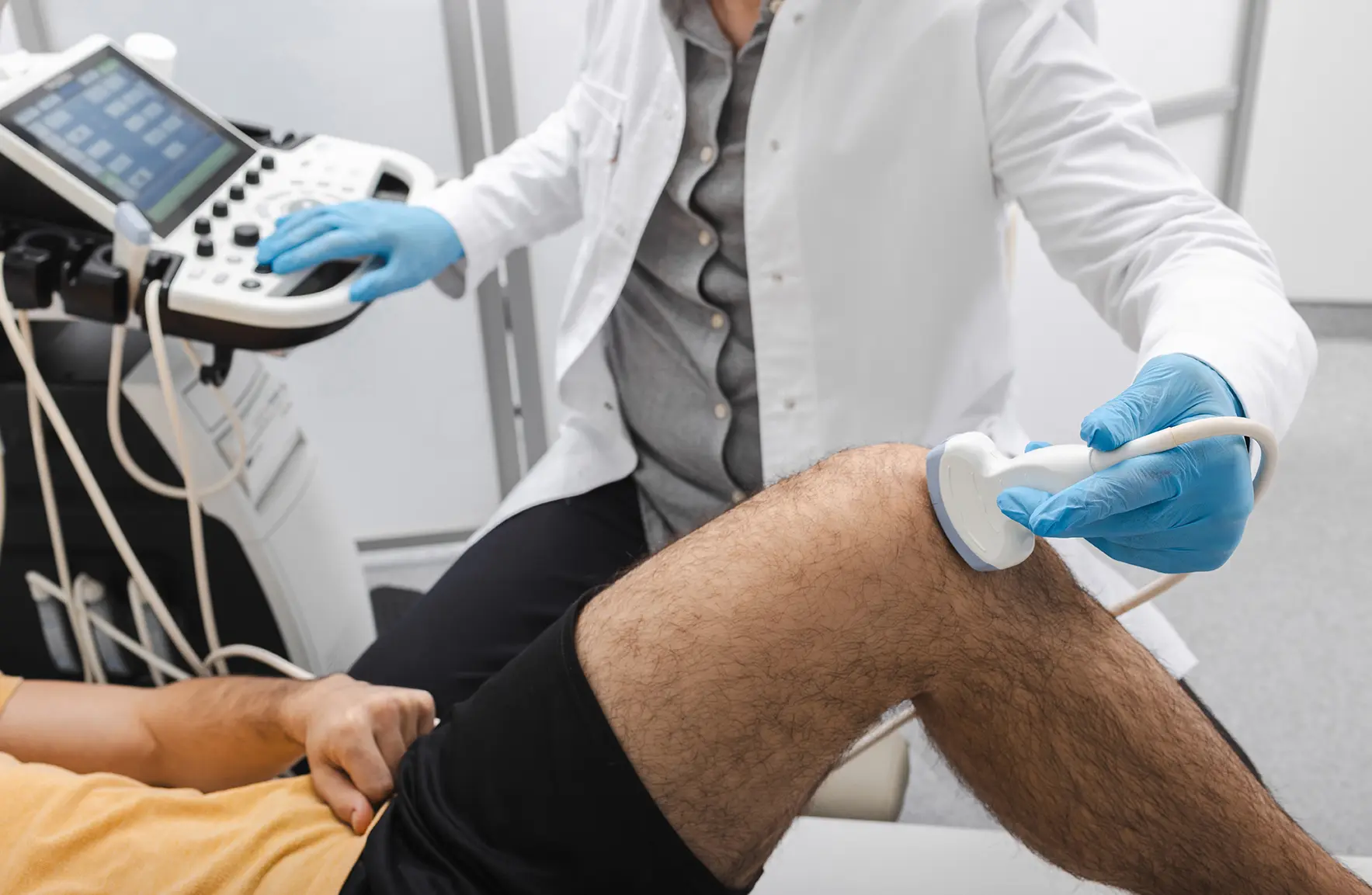
If structural damage is suspected, imaging studies may be ordered. X-rays help identify fractures, alignment issues and degenerative changes such as osteoarthritis. MRI scans provide detailed visualisation of soft tissues, including ligaments, cartilage and menisci, allowing accurate assessment of internal injuries. Together, clinical findings and imaging results guide the development of an appropriate treatment plan.
Treatment
Once a diagnosis is made, knee treatment options are discussed based on the severity of your knee condition, lifestyle and overall health. Treatments are broadly categorised into non-surgical and surgical approaches to help restore comfort and mobility.
Non-surgical
Non-surgical treatment is often recommended for mild to moderate conditions or as an initial step before
considering surgery. These approaches focus on reducing inflammation, strengthening surrounding muscles and
supporting joint function.
Options may include physiotherapy to improve strength and range of motion, bracing to enhance stability,
activity modification to reduce strain on the knee and medications to manage pain and swelling. In selected
cases, targeted injections may be considered to alleviate symptoms and improve joint function.
Surgical
Surgical treatment may be advised when conservative measures do not provide sufficient relief or when there is significant structural damage within the knee. The type of procedure depends on the underlying condition. Common surgical procedures include:
- Knee arthroscopy: A minimally invasive procedure to inspect and repair damaged tissue.
- Subchondroplasty: A procedure to treat bone marrow lesions and support bone healing.
- Knee ligament reconstruction: A surgical procedure that uses grafts to reconstruct and stabilise torn ligaments such as the ACL or PCL.
- Cartilage repair and meniscal procedures: Surgical techniques used to restore joint cushioning and improve knee function.
- Knee fracture or tendon repair: Surgical procedures performed to stabilise fractures or repair damaged tendons around the knee.
- Knee replacement procedures: Partial, total or revision surgeries performed to treat advanced arthritis or severe joint damage.
Discovering the Cause of Knee Pain With an Orthopaedic Specialist
Knee pain should not be ignored, especially when it persists, worsens or begins to limit your daily activities. The knee is a complex joint made up of numerous parts, and as such, identifying the exact source of pain is key to pursuing effective treatment and pain relief.
A timely consultation with an orthopaedic specialist allows for a thorough evaluation of your symptoms and joint function. At Axis Knee Pain Clinic, we aim to identify the underlying cause of your knee pain and develop a personalised treatment plan that supports long-term joint health, stability and mobility.
Treatment is led by consultant orthopaedic surgeon Dr Seng Chusheng, who provides evidence-based care tailored to your condition, unique needs and recovery goals.
Contact us today to schedule a detailed knee assessment and take the next step towards restoring your quality of life.
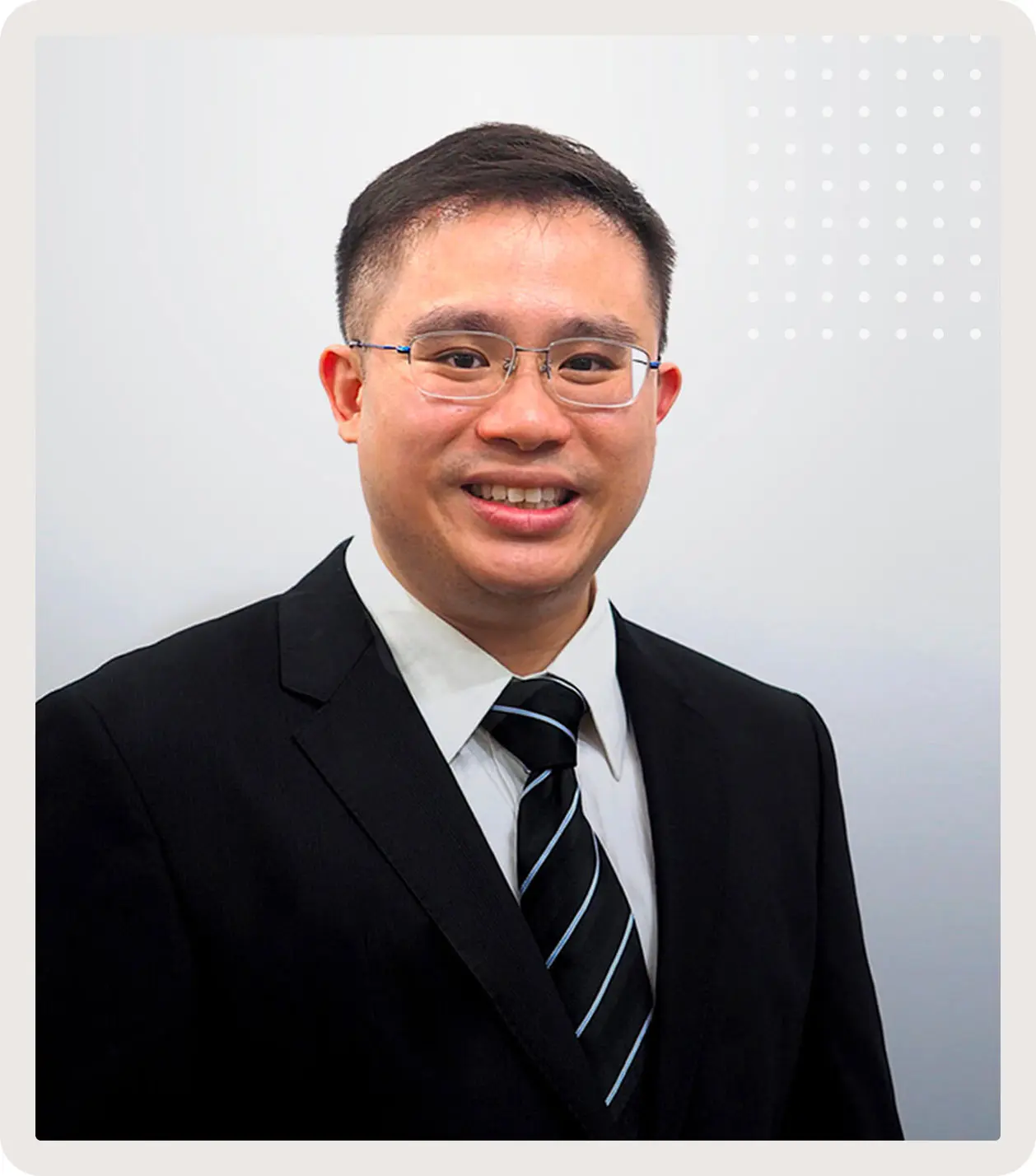
Dr Seng Chusheng
Senior Consultant Orthopaedic Surgeon (Sports & Exercise Medicine)
MBBS (Singapore), MRCS (Edinburgh), MMed (Orth), FRCS (Edinburgh)
Dr Seng Chusheng is an orthopaedic surgeon with a clinical focus on knee conditions, orthopaedic trauma, sports
injuries and reconstructive surgery. He obtained his MBBS and MMed (Orthopaedic Surgery) from the National
University of Singapore and is a Fellow of the Royal College of Surgeons of Edinburgh (Orthopaedic Surgery).
His practice focuses on the assessment and management of musculoskeletal conditions. Treatment may involve both
non-surgical and surgical approaches, with decisions guided by clinical findings and current evidence.
At Axis Knee Pain Clinic, supporting our patients in their recovery and regaining of mobility is our top priority.
We warmly welcome patients with knee conditions from all walks of life to experience our customised treatment. Call us at 9711 8888 for a same-day or next-day consultation!
Contact Info

Mount Elizabeth Novena Medical Centre
38 Irrawaddy Road, #06-33Singapore 329563
Parkway East Medical Centre
319 Joo Chiat Place, #04-08,Singapore 427989
Mount Alvernia
Medical Centre A
820 Thomson Road, #03-08,Singapore 574623

Telephone



Operating Hours
| Mon - Fri | : | 8:30am - 5:30pm |
| Sat | : | 8:30am - 12:30pm |
| Sunday & PH : Closed | ||