

MBBS (Singapore), MRCS (Edinburgh), MMed (Orth), FRCS (Edinburgh)
ACL Reconstruction Surgery
An anterior cruciate ligament, or ACL, tear can significantly compromise knee stability and make even simple
movements such as walking, turning or climbing stairs feel uncertain. Many individuals also experience swelling,
pain and a sensation of the knee giving way, particularly during pivoting or weight bearing activities.
When structured rehabilitation is insufficient, ACL reconstruction surgery may be considered to repair
persistent instability, restore daily function and support a safe return to physical activity.
What Is ACL Surgery?
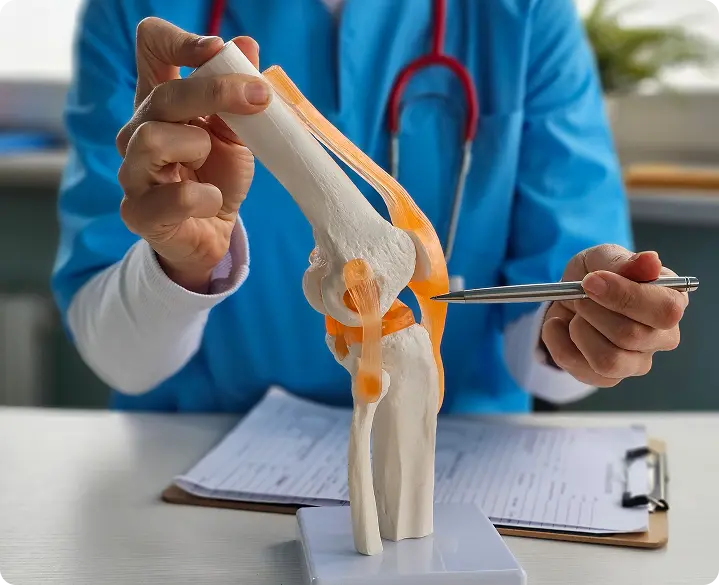
ACL surgery, also known as ACL reconstruction, is performed to restore stability to a knee with a torn anterior
cruciate ligament. The procedure involves replacing the damaged ligament with a tissue graft that acts as a new
stabilising structure.
The graft used for reconstruction may come from one of two sources:
 Autograft - Tissue taken from the patient’s own body, commonly from the patellar, hamstring or quadriceps tendon.
- Allograft - Donor tissue, which avoids a second surgical site and may be considered for selected patients.
The choice of graft depends on factors such as activity level, age and overall knee condition. The surgical procedure is fully discussed during consultation with an orthopaedic specialist.
When Is ACL Reconstruction Needed?
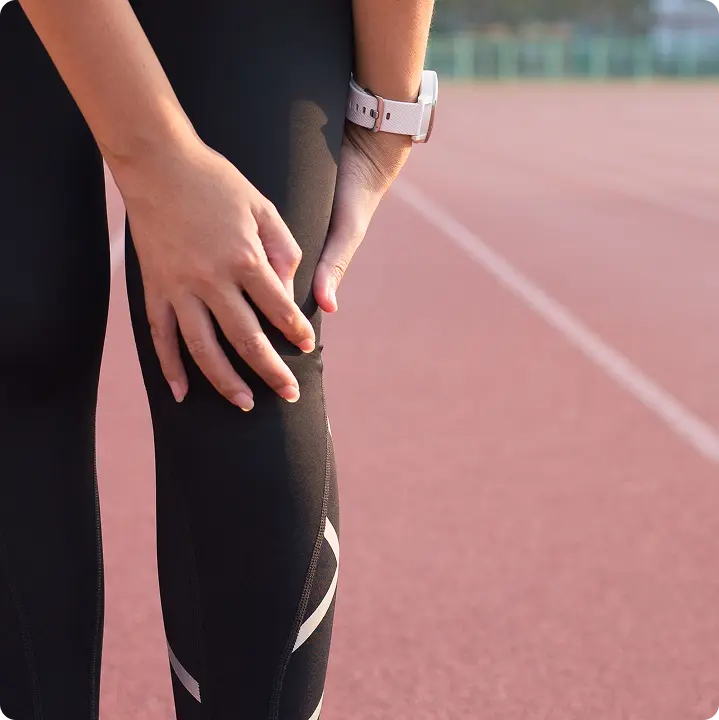
An ACL tear cannot heal on its own due to limited blood supply. While structured rehabilitation and physical
therapy may allow some individuals to manage everyday activities, it does not restore ligament stability. A
damaged ACL may lead to persistent issues with stability, causing an adverse effect on daily life.
ACL reconstruction may be recommended when:
- The knee feels unstable or repeatedly gives way during movement
- Returning to sports that involve pivoting, jumping or rapid direction changes is a priority
- Knee instability interferes with daily activities or weight-bearing tasks
- There are associated injuries, such as a meniscal tear, that require a stable knee for healing
- Rehabilitation alone does not provide adequate strength or stability
At Axis Knee Pain Clinic, we assess the severity of your ACL injury and recommend ACL reconstruction surgery when stability cannot be restored through rehabilitation alone.
Consult our knee pain clinic to determine if ACL surgery is right for you.
What Happens During the ACL Surgery Process
A typical ACL reconstruction takes about 1–2 hours and is often performed as a day procedure or with a short hospital stay.
Recovery and Rehabilitation
Recovery after ACL reconstruction follows a structured rehabilitation program focused on restoring knee strength, stability and function.
Throughout recovery, regular guidance from a physiotherapist supports safe progression. Adhering to the rehabilitation plan helps optimise outcomes and reduce the risk of re-injury.

Risks of ACL Reconstruction Surgery
ACL reconstruction is generally safe, but as with any surgery, some risks may occur. These are uncommon and carefully managed.
Possible risks include:
- Infection
- Bleeding or blood clots
- Knee stiffness or reduced range of motion
- Graft failure or re-tear
- Temporary discomfort at the graft site
A comprehensive consultation with an orthopaedic specialist allows you to carefully balance the potential risks and benefits, while ensuring appropriate planning to reduce the likelihood of complications.
Why Choose Us for ACL Reconstruction Surgery?
Axis Knee Pain Clinic offers:
Our orthopaedic surgeon, Dr Seng Chusheng, is experienced in managing a wide range of knee conditions and has performed many knee surgeries, including total knee replacement procedures.

Minimally Invasive Techniques
Where appropriate, we use minimally invasive and robotic-assisted techniques to support surgical accuracy and reduce soft tissue disruption, which may help with post-operative recovery.
Personalised Patient-Centric Care
We tailor each treatment plan based on the individual’s condition, activity level and overall health, with the aim of supporting safe recovery and functional improvement.
Comprehensive Care & Patient Comfort
Our clinic provides holistic care across every stage of treatment, from pre-surgical assessment to post-operative rehabilitation, with attention to comfort, safety and clear communication.Frequently Asked Questions About Knee Replacement Surgery
推荐进行膝关节镜手术(微创手术),以获得最佳效果并尽量减少风险、不适、疤痕和康复时间。膝关节镜手术使用一个小型摄像头(膝关节镜)来检查你的膝关节内部,并使用微型手术器械修复和重建受影响的部位。
Our Knee Replacement Surgeon
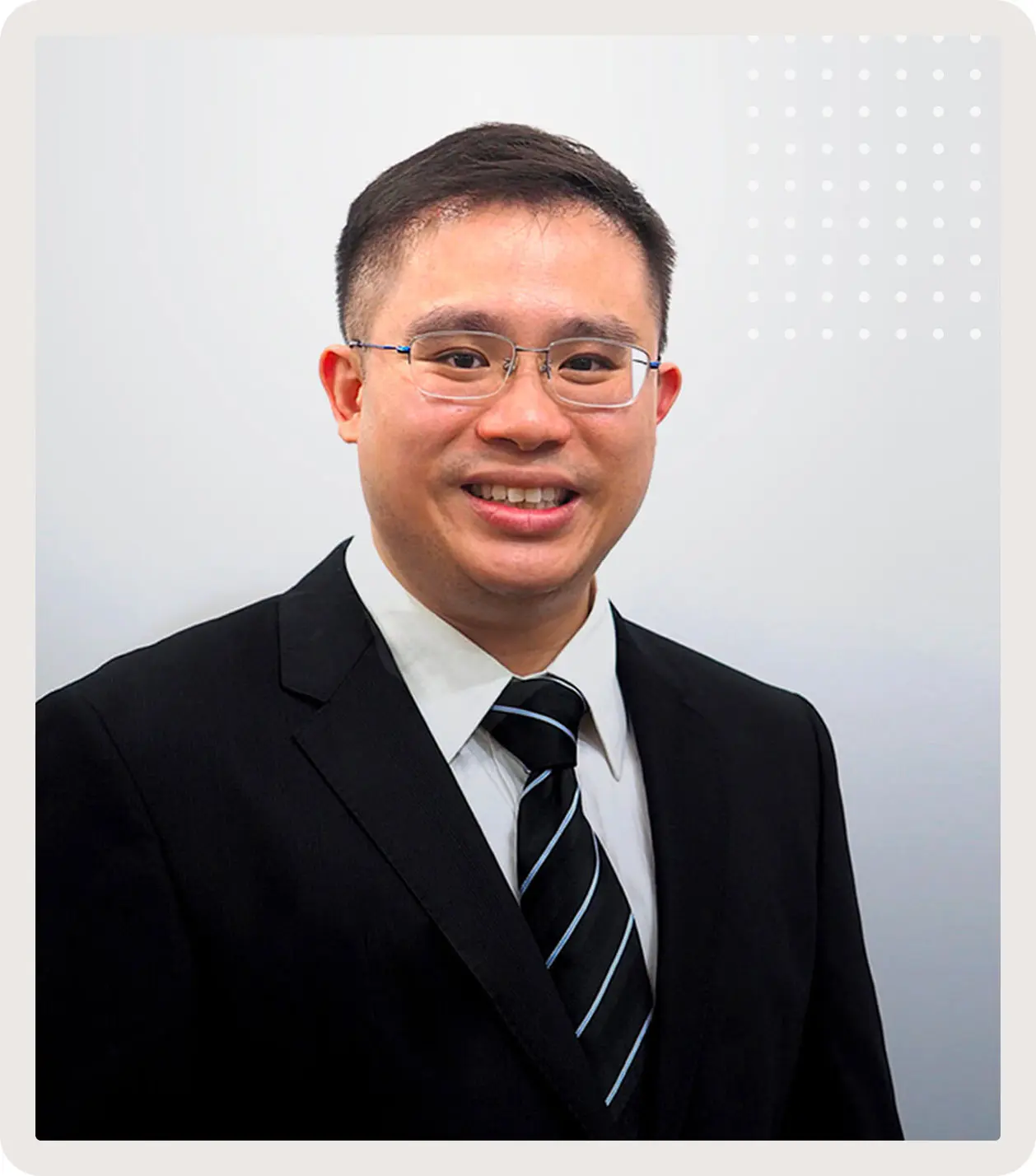
Consultant Orthopaedic Surgeon
MBBS (Singapore), MRCS (Edinburgh), MMed (Orth), FRCS (Edinburgh)
Dr Seng Chusheng is a consultant orthopaedic surgeon with a clinical focus on knee conditions and orthopaedic trauma. With over 20 years of surgical experience, he has performed over 1,000 orthopaedic and sports surgeries, including ACL reconstructions. His approach integrates evidence-based care with individualised treatment planning, supporting pain relief, mobility and functional recovery. He has also presented at numerous orthopaedic conferences, including the American Academy of Orthopaedic Surgeons (AAOS) Annual Scientific Meeting.
Meet Our Sports Injury DoctorAxis骨科中心致力于协助病患恢复行动力,让您再度享受无拘无束的自由生活。
我们热情欢迎来自各界有膝盖问题的患者体验我们的个性化治疗。致电9711 8888进行当天或次日的咨询。
联络资讯

伊丽莎白诺维娜医院
38号依拉瓦底路 #06-33新加坡邮区329563
百汇东岸医院
如切路319号 #04-08,新加坡邮区427989
安微尼亚山医院
医疗中心A, 820汤申路, #03-08,新加坡邮区 574623




营业时间
| 周一至周五 | : | 上午8:30至下午5:30 |
| 周六 | : | 上午8:30至中午12:30 |
| 周日与公共假期休息 | ||